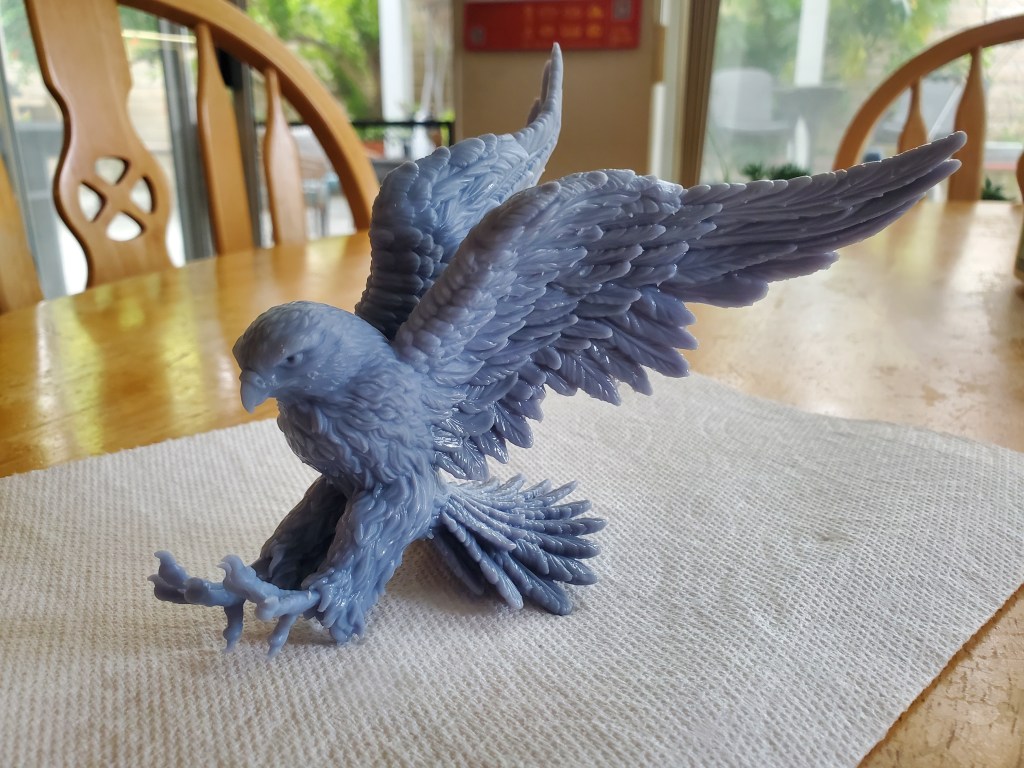
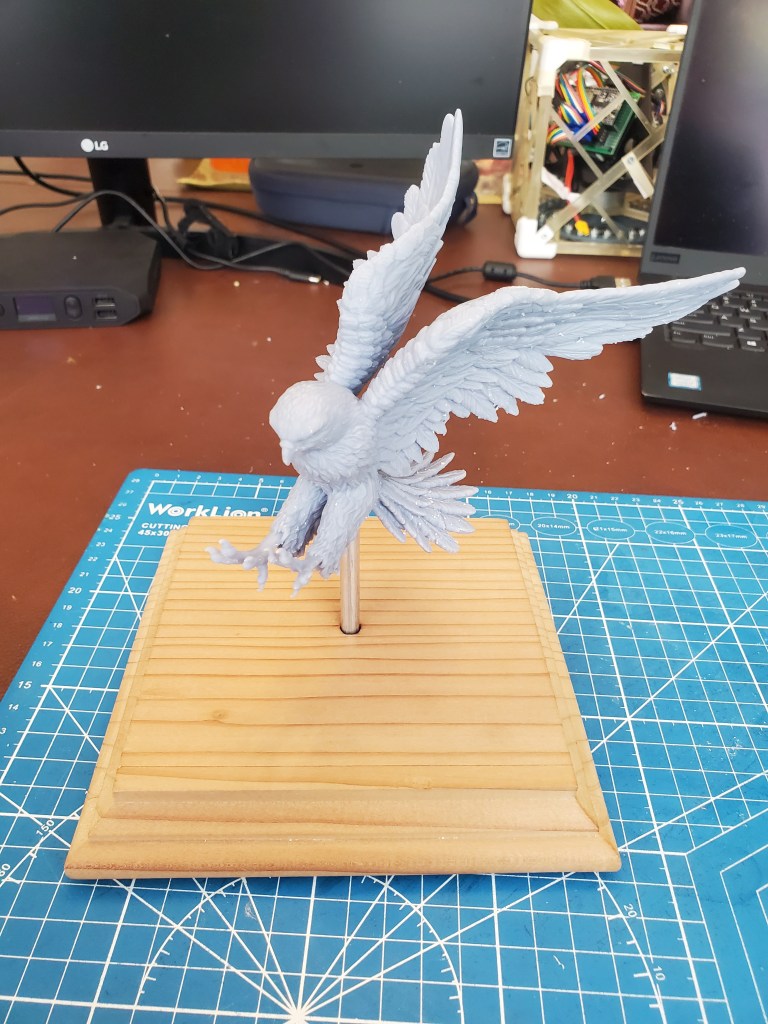
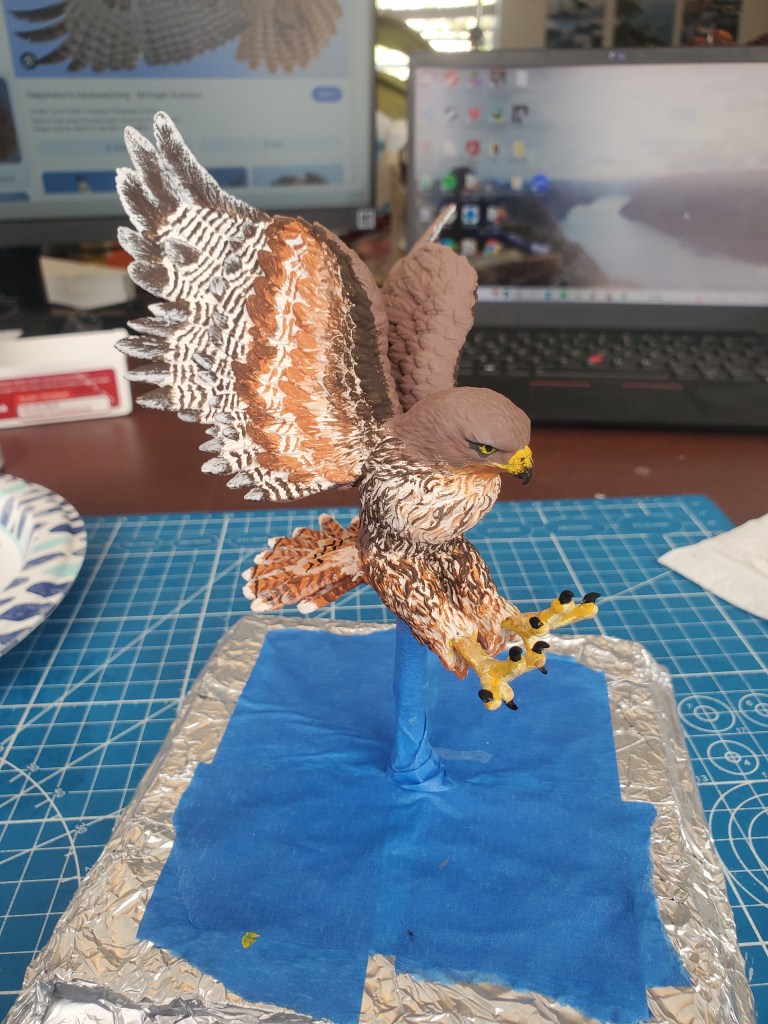
For the holiday season, I decided to treat myself to a new 3-D printer. This unique printer was not a classic FDM (fused-deposition-modeling) printer, where layers of liquid plastic are extruded on top of each other. This printer was an SLA (stereolithography) printer. Welcome to the family, Elegoo Saturn 2!
SLA printers project successive UV masks onto a resin which cures/solidifies upon exposure. In hyper time-lapse, an SLA print looks like lifting a solid object out of a liquid vat; it’s quite cool!
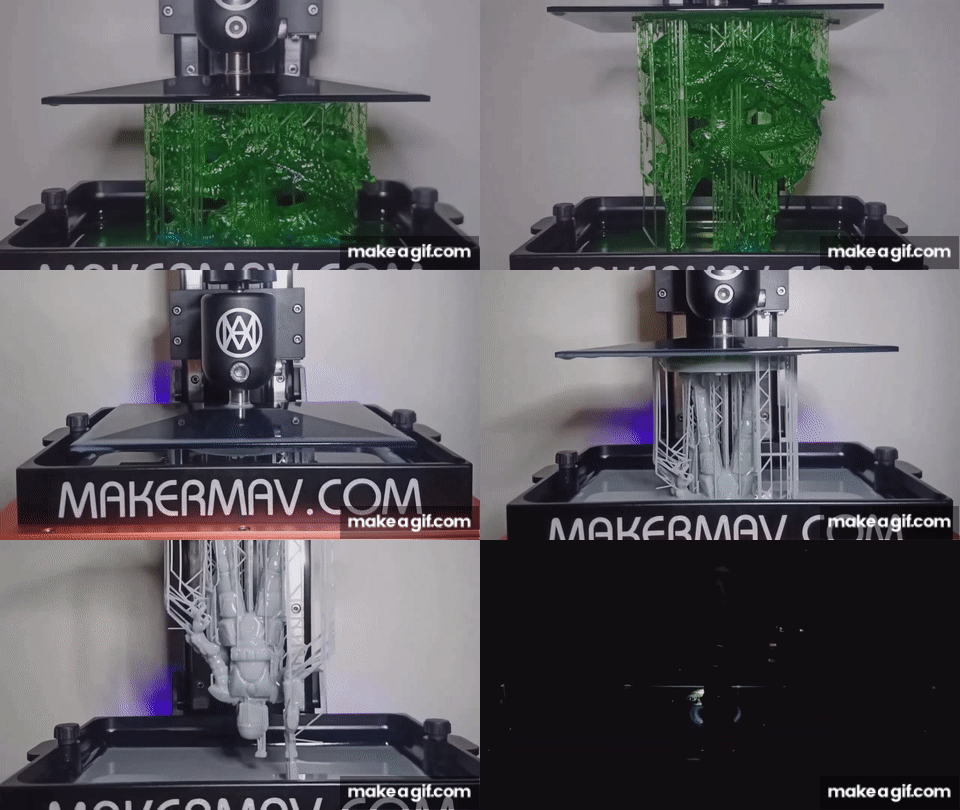
SLA printers come with their unique pros and cons:
Pros:
- Prints are waterproof and can even be airtight.
- Much finer features can be printed – precision is much higher with a light projection than planar movement of an extrusion tip with stepper motors.
- Prints can come out much faster since motor jogging speed is a non-factor for SLA.
Cons:
- SLA prints are typically more brittle than FDM. They are also more sensitive to sunlight. Thus they are not as ideal for moving structural parts or outdoor use.
- The printing process is significantly more involved, including an alcohol wash and a finishing cure.
- The resin material (uncured) is a hazardous irritant and much messier to work with than a spool of PLA.
For the first few months of ownership, I went to town with my prints. It was only after a few months that I matured into realizing the Saturn was amazing for art projects.
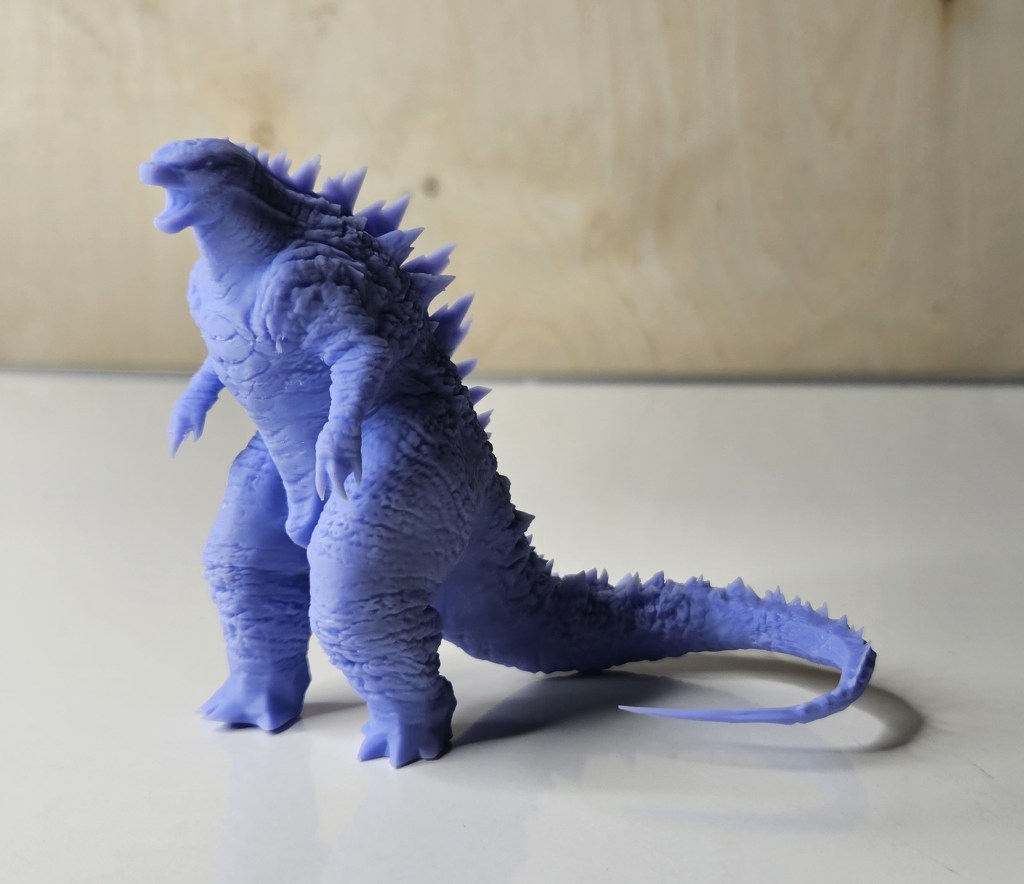
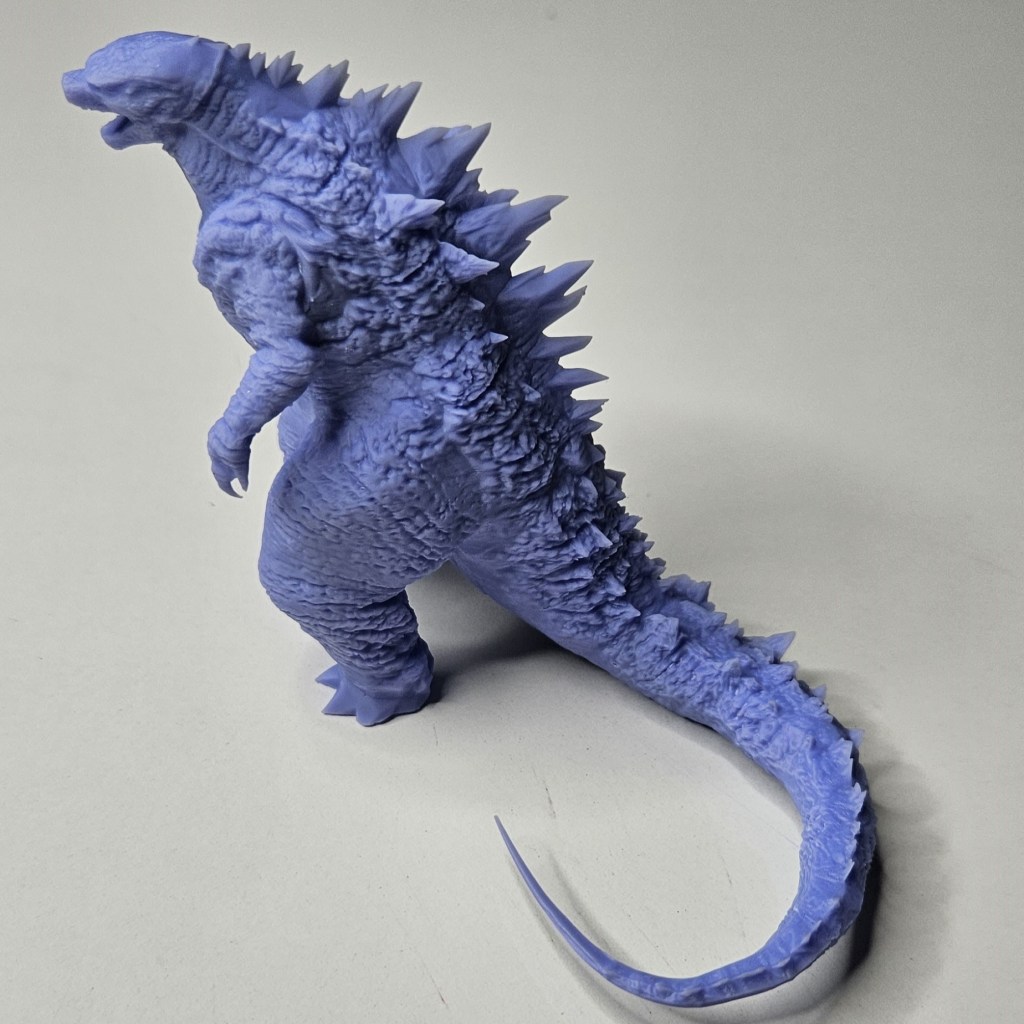
And less ideal for actual engineering (efficacy of SLA prints varies heavily on a case-by-case engineering basis).
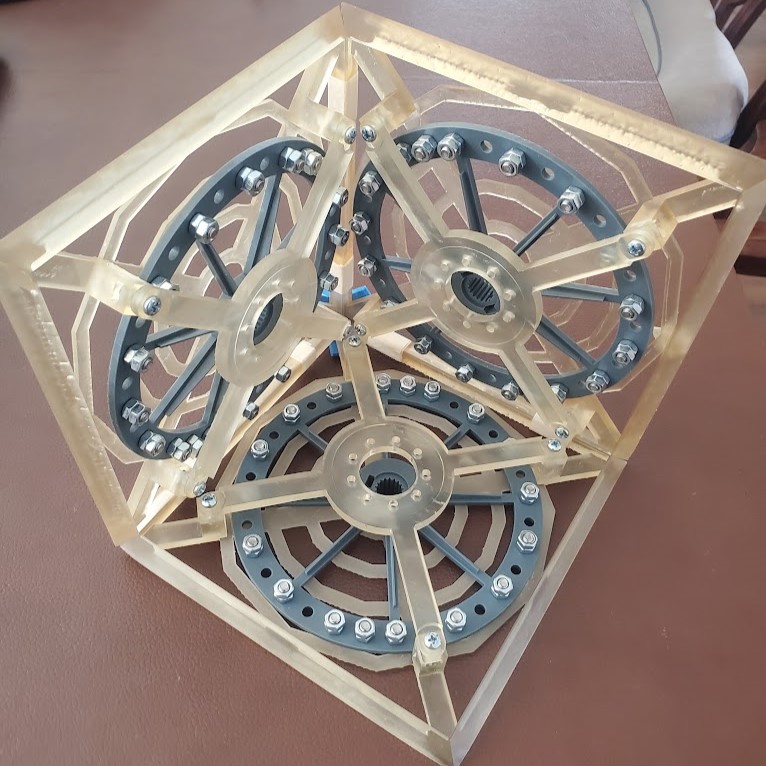
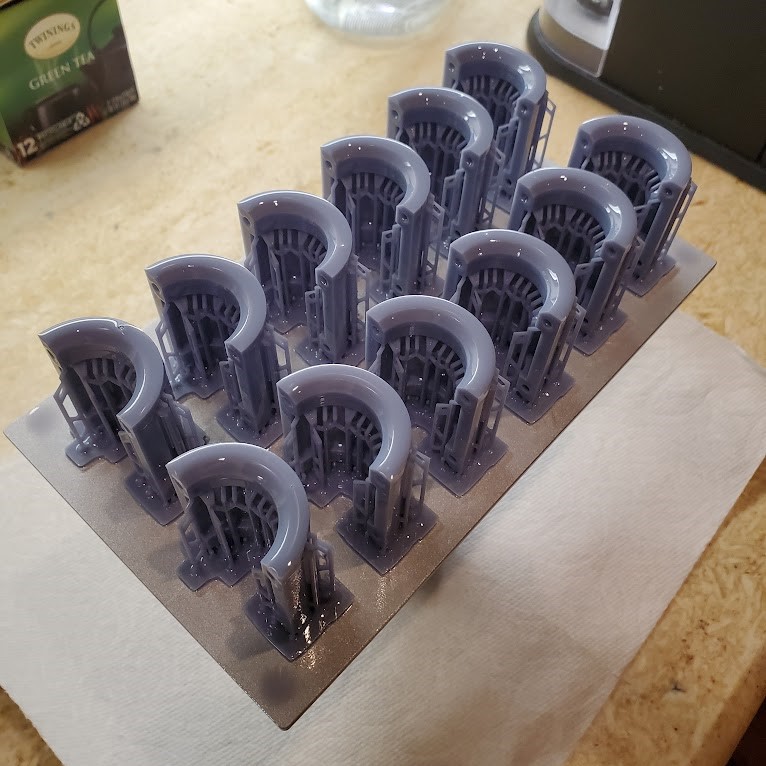
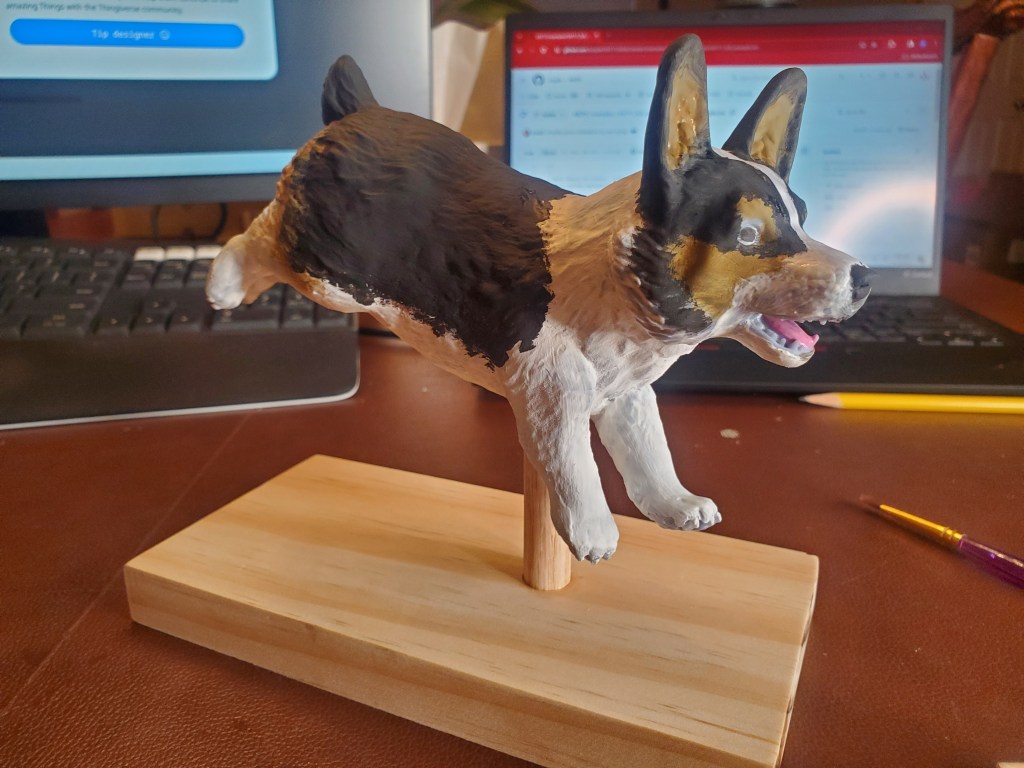
Nevertheless, voila some of my higher-effort SLA print pieces.
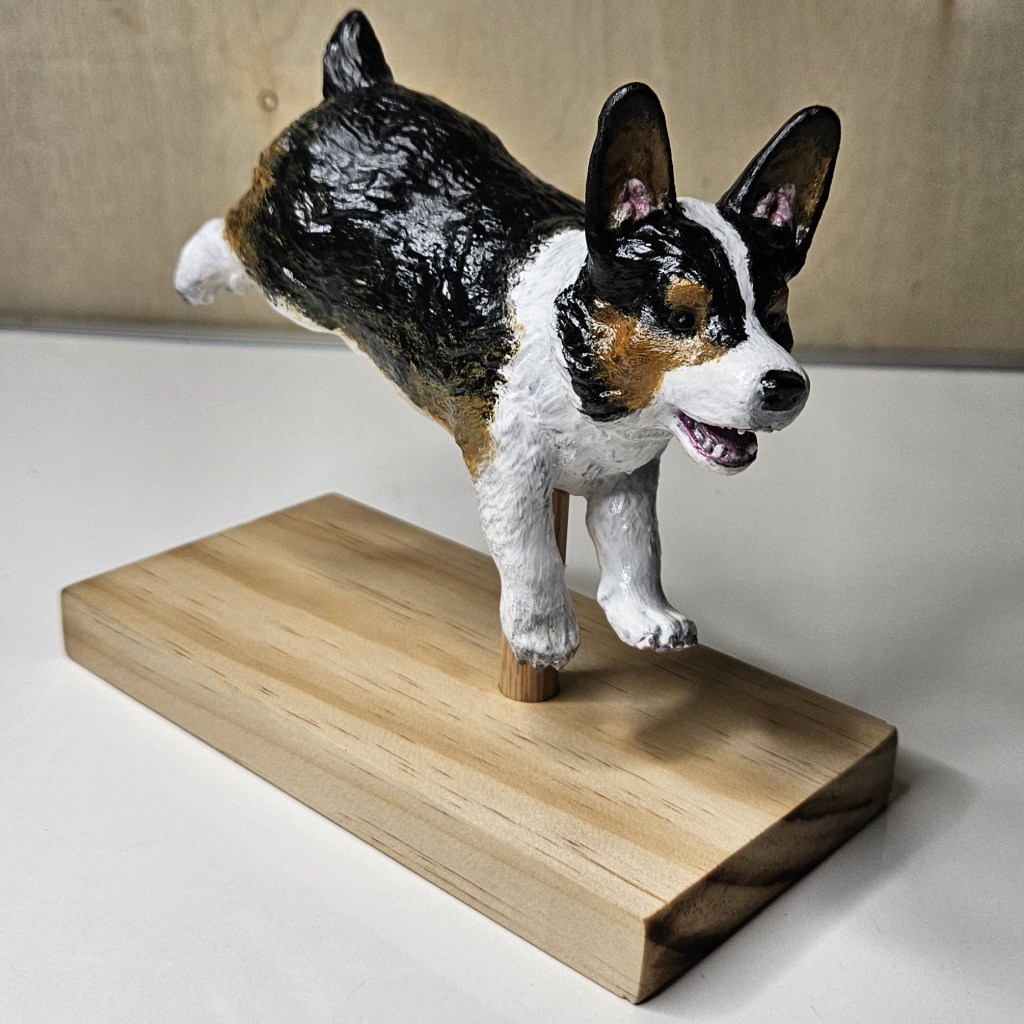
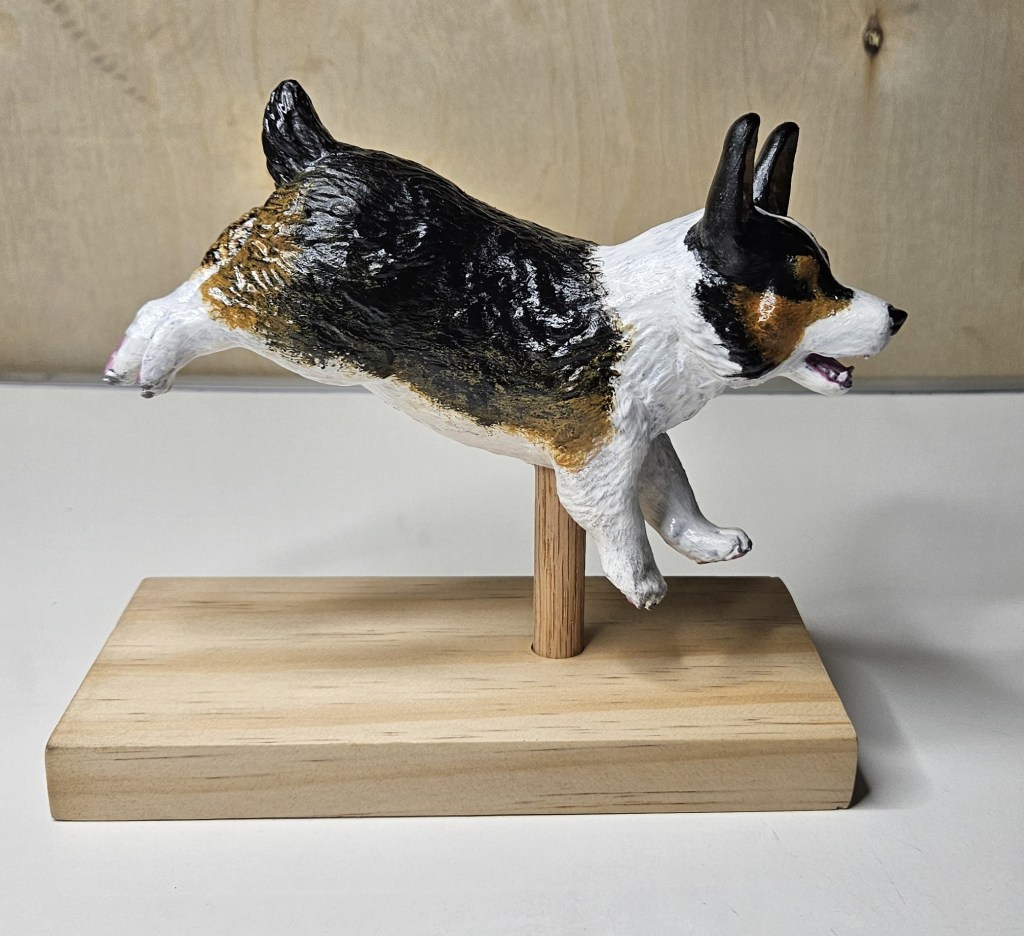
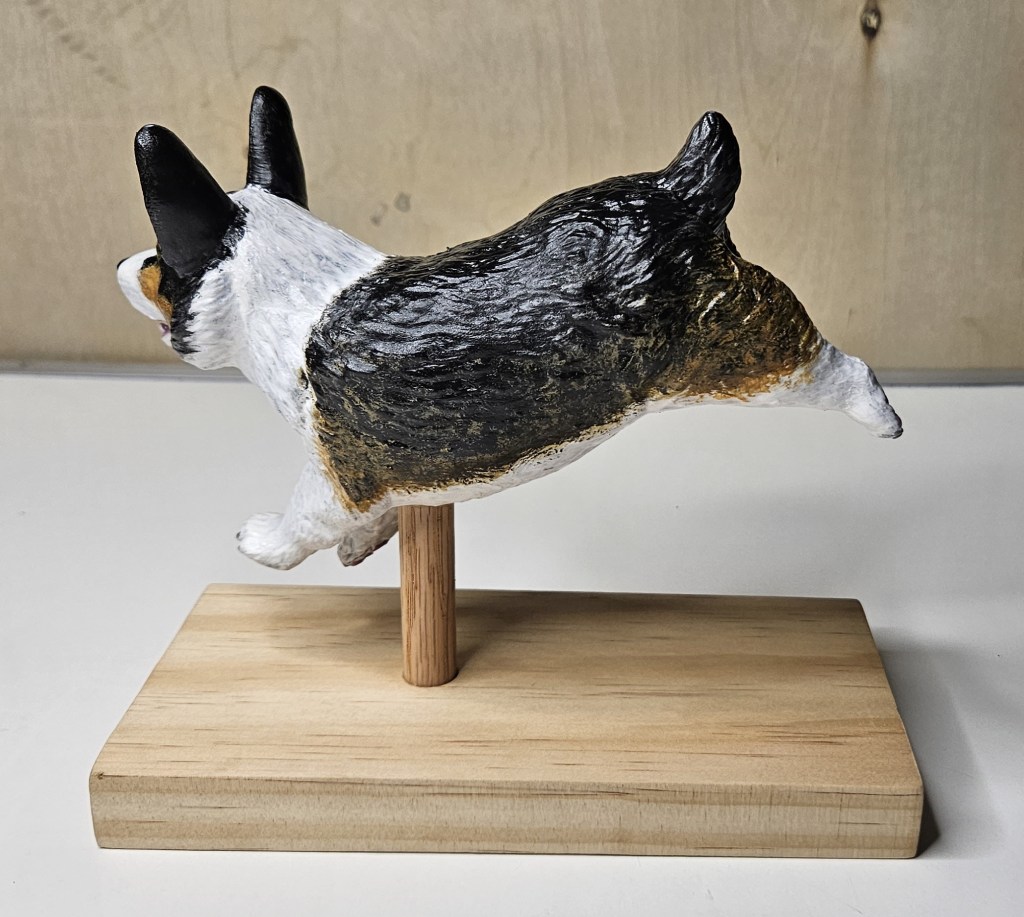
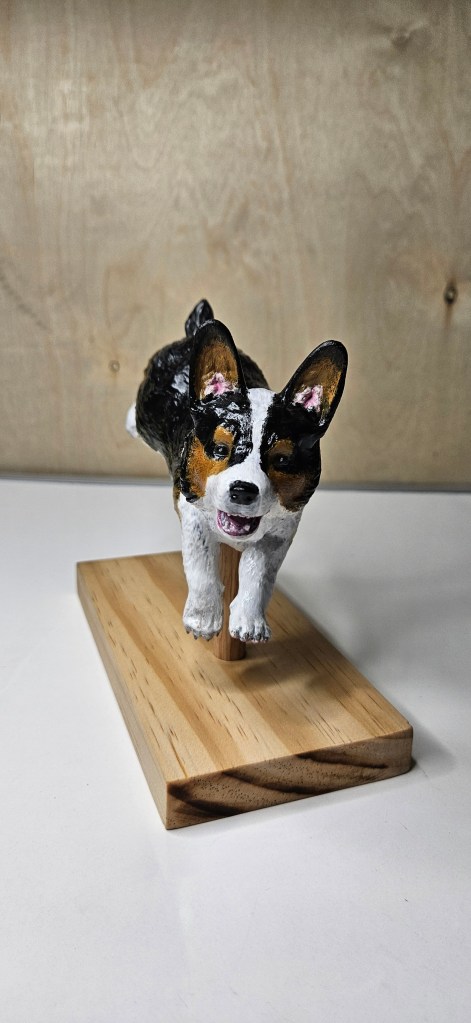
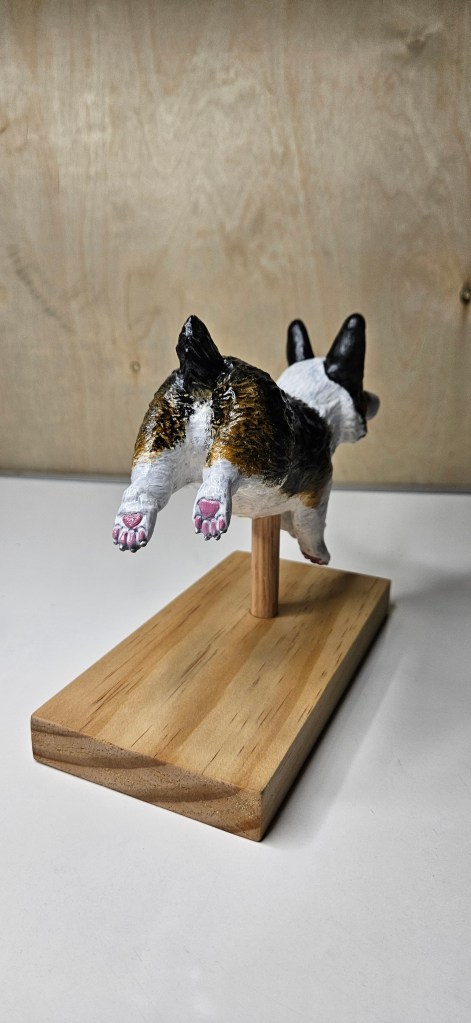
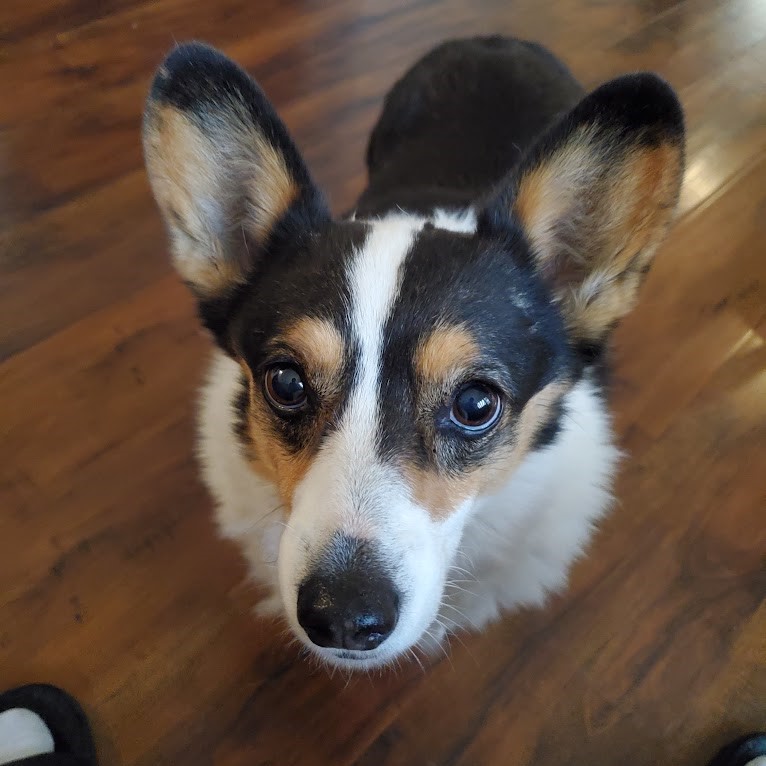
Coco (my family Pembroke Welsh Corgi):
Hawk: