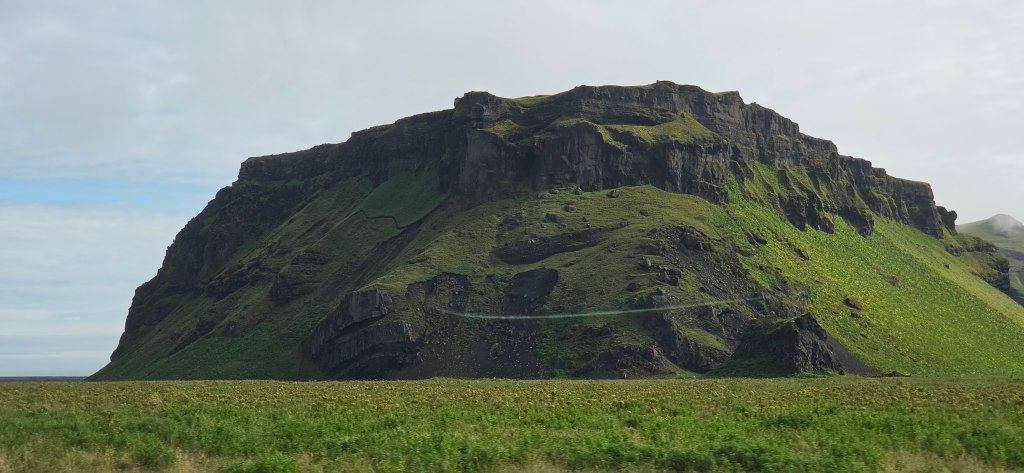
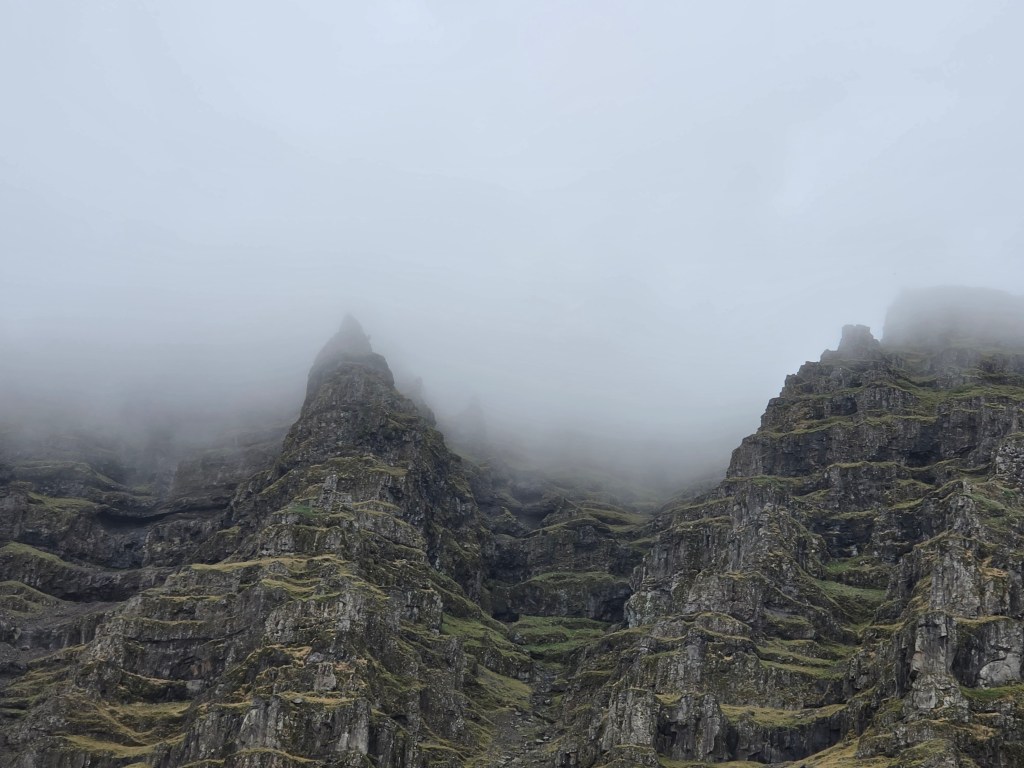
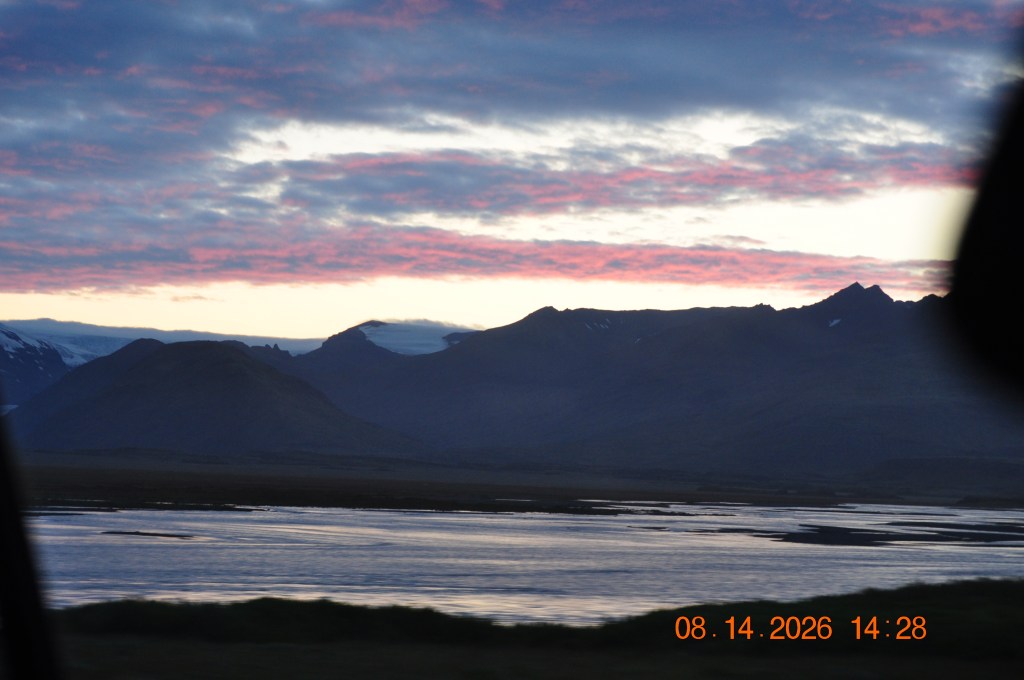
Our 2026 vacation to the land of fire and ice was a trip inspired entirely by the solar eclipse. I had proposed the idea initially only because I had heard the path of totality would graze Reykjavik. In the end, the eclipse was overshadowed both literally and figuratively by a rainy day and breathtaking natural beauty respectively.
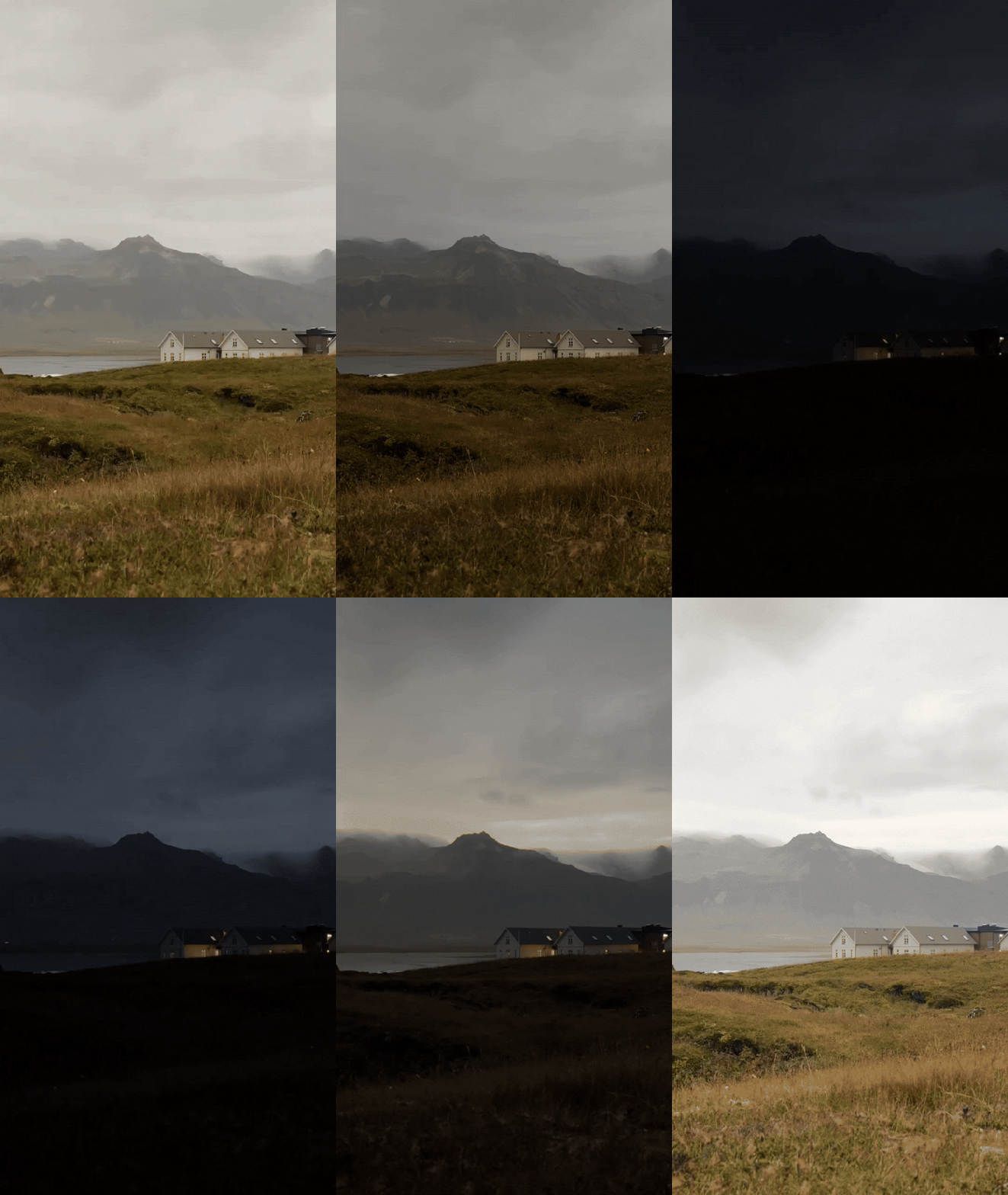
Reykjavik/Keflavik
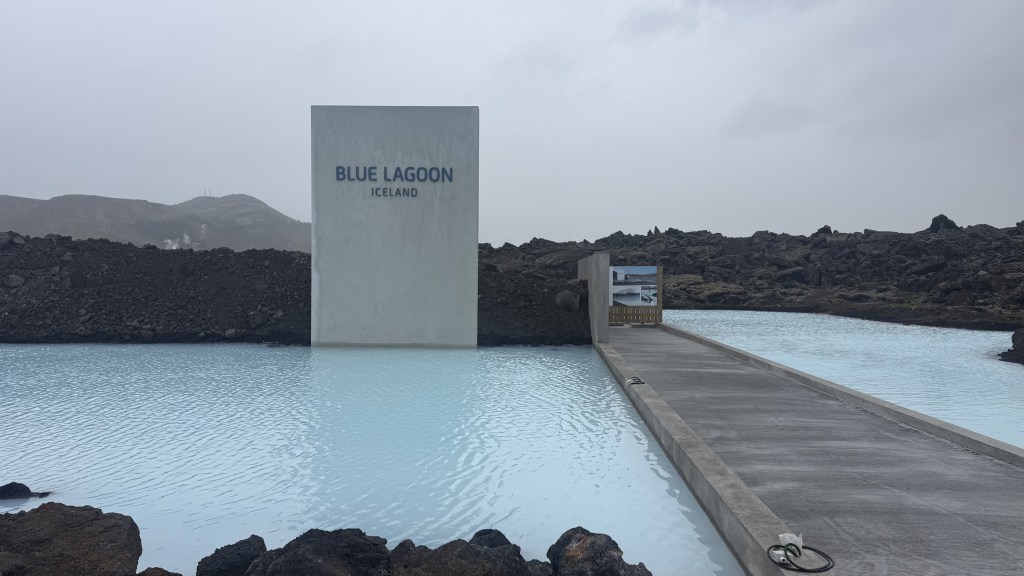
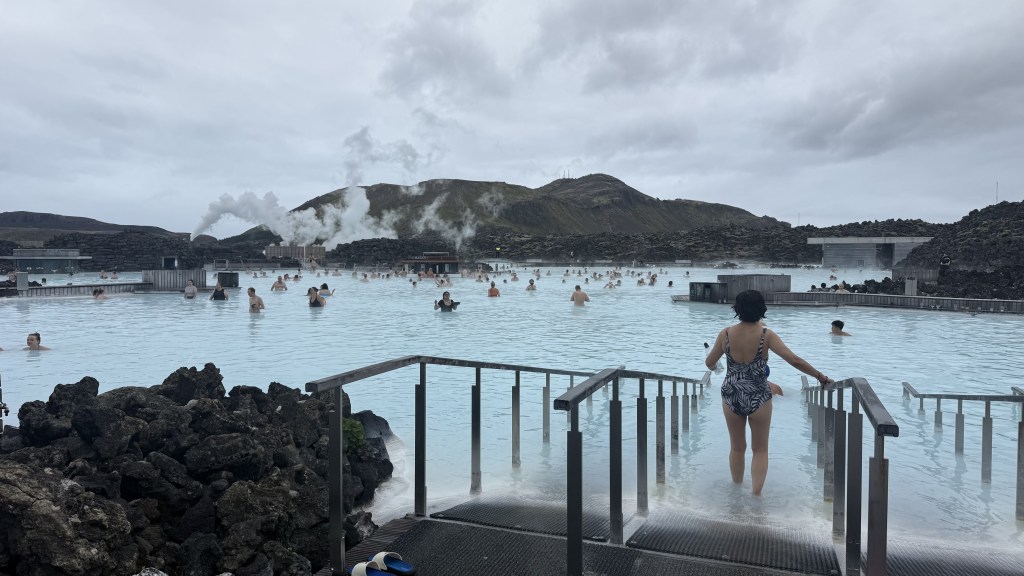
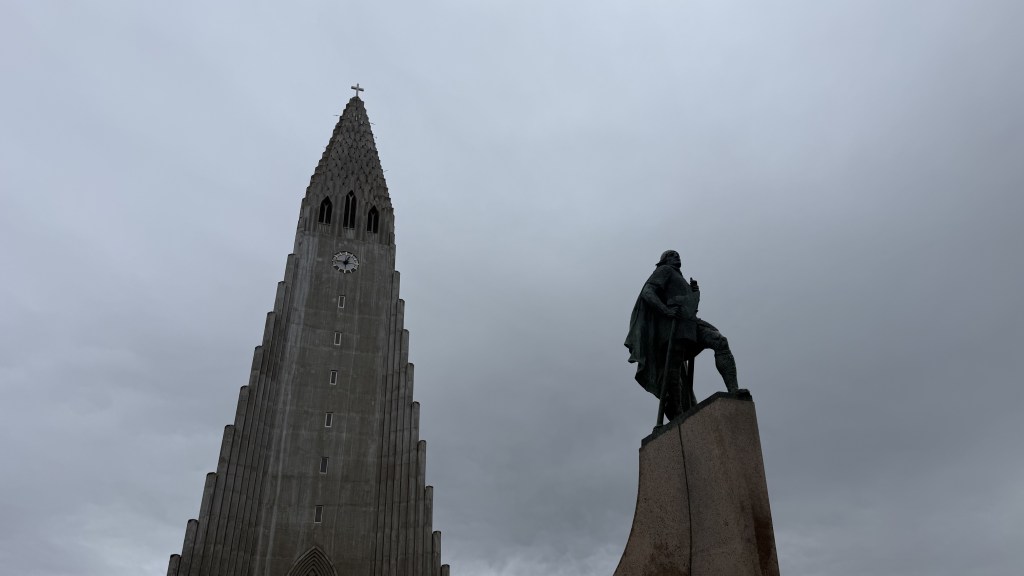
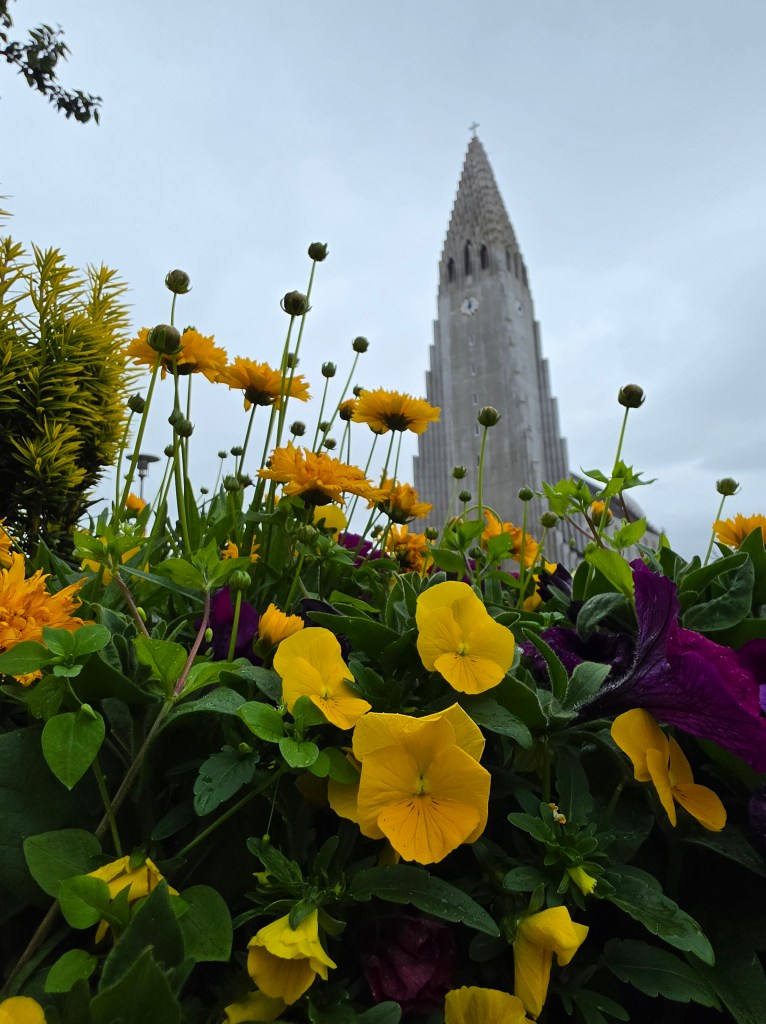
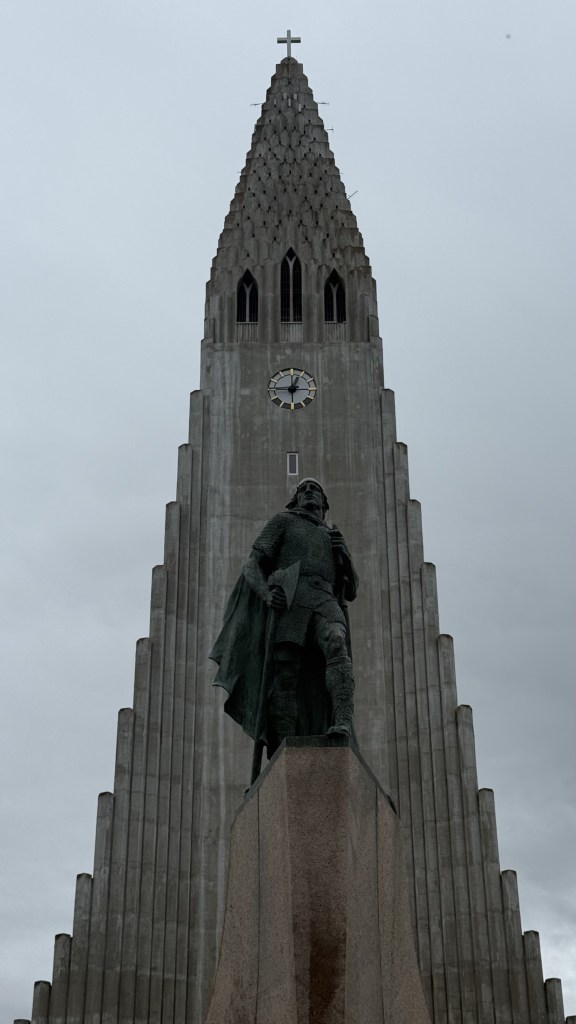
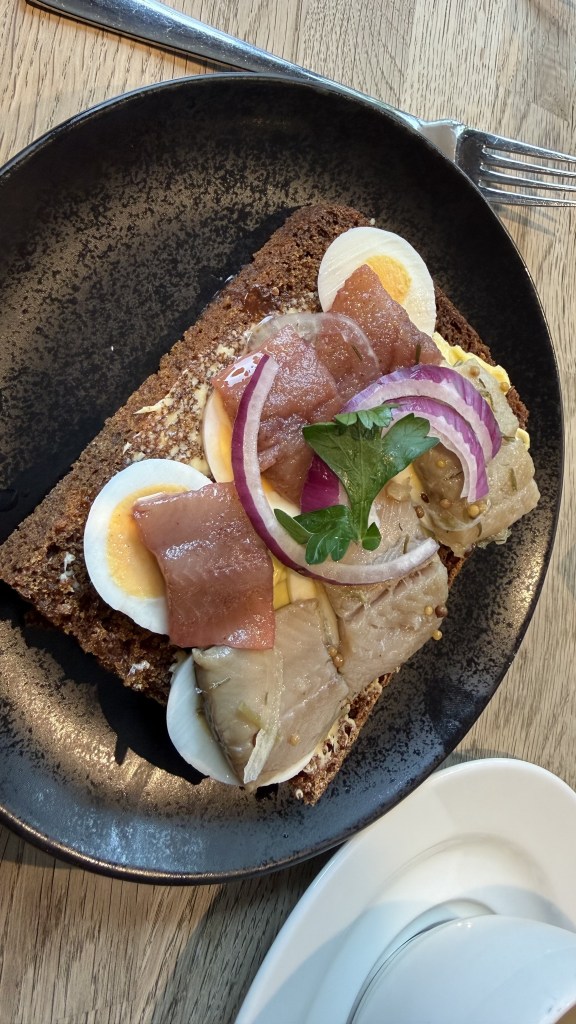
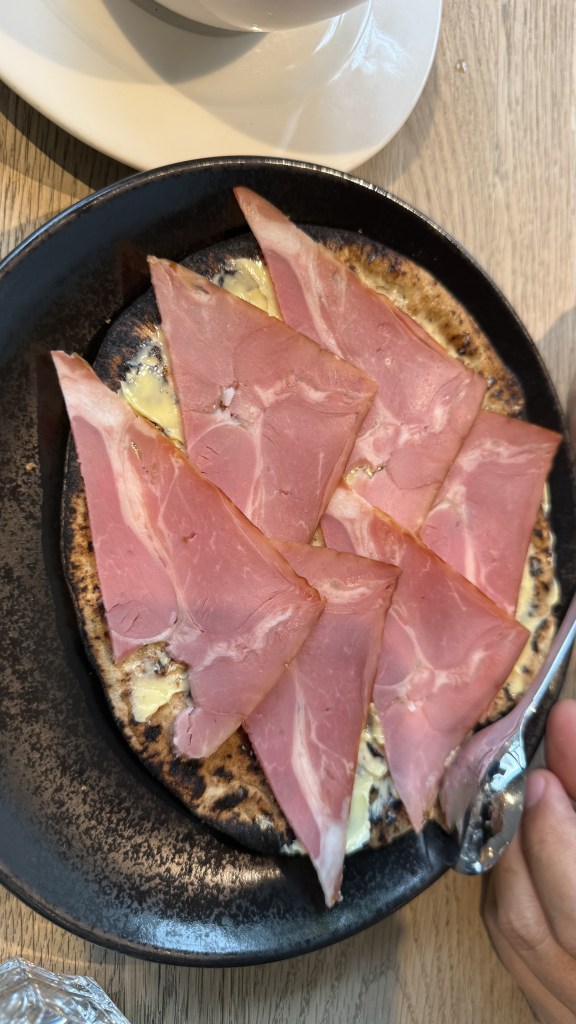
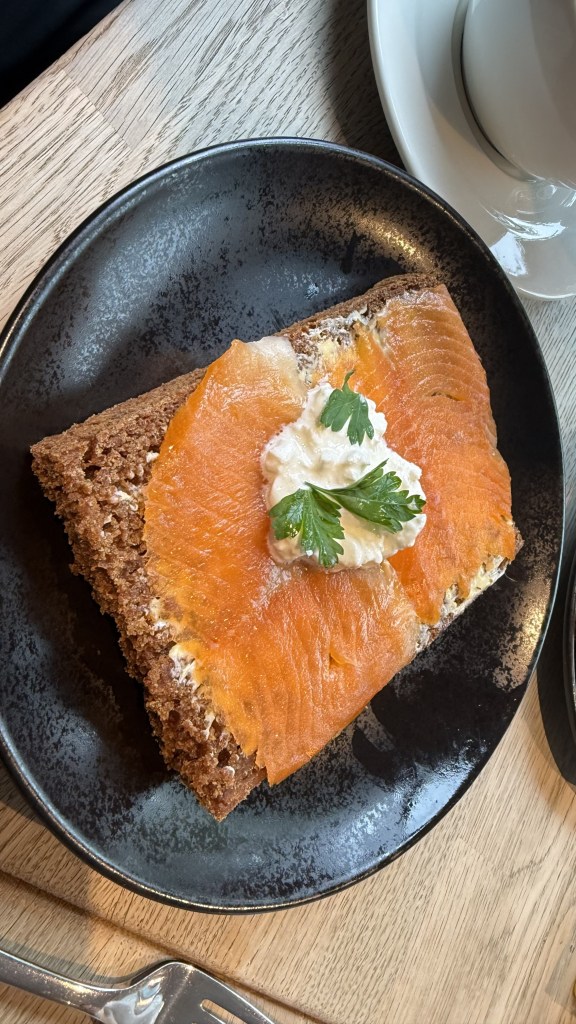
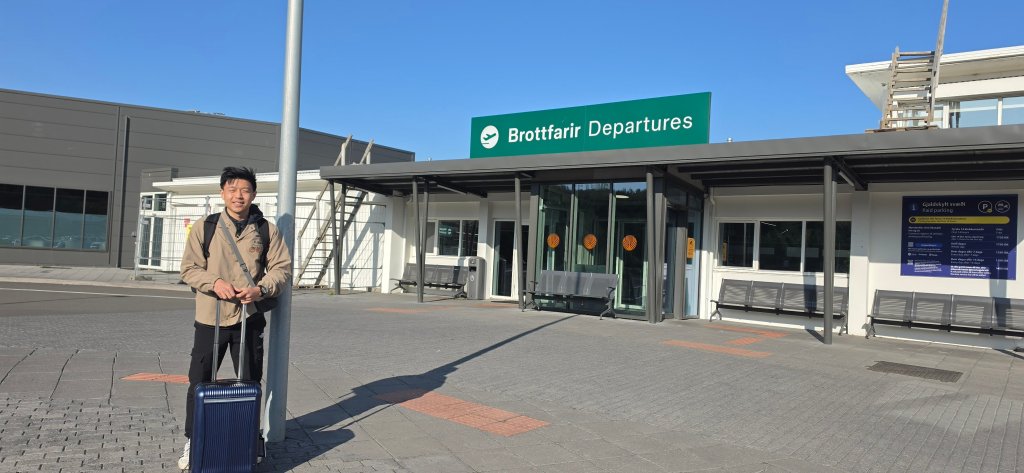
I touched down 6 hours before my family and had the opportunity to explore the airport town of Keflavik on my own, including a smelly sulfiric swim in the Blue Lagoon spa. Our first full day also took us into the capital Reykjavik to see the iconic Hallgrimskirkja (which I have mentally redubbed the Riemann Sum church) and try some local Icelandic food at the Loki Cafe (the bread was to Rye for).
The Golden Circle
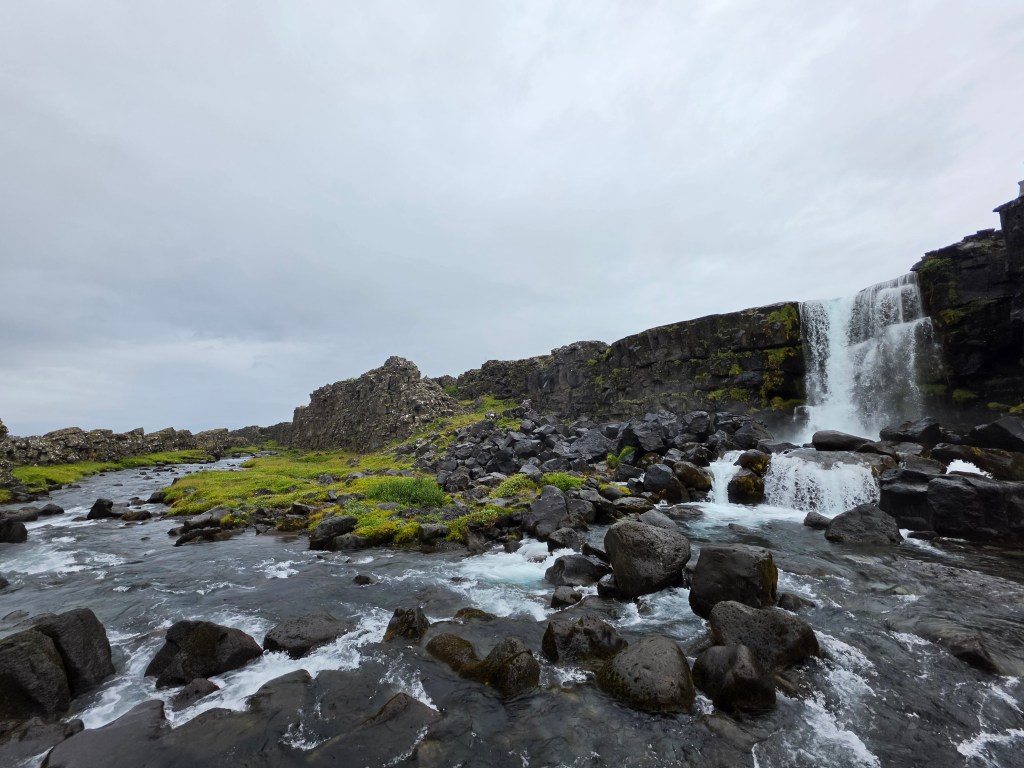
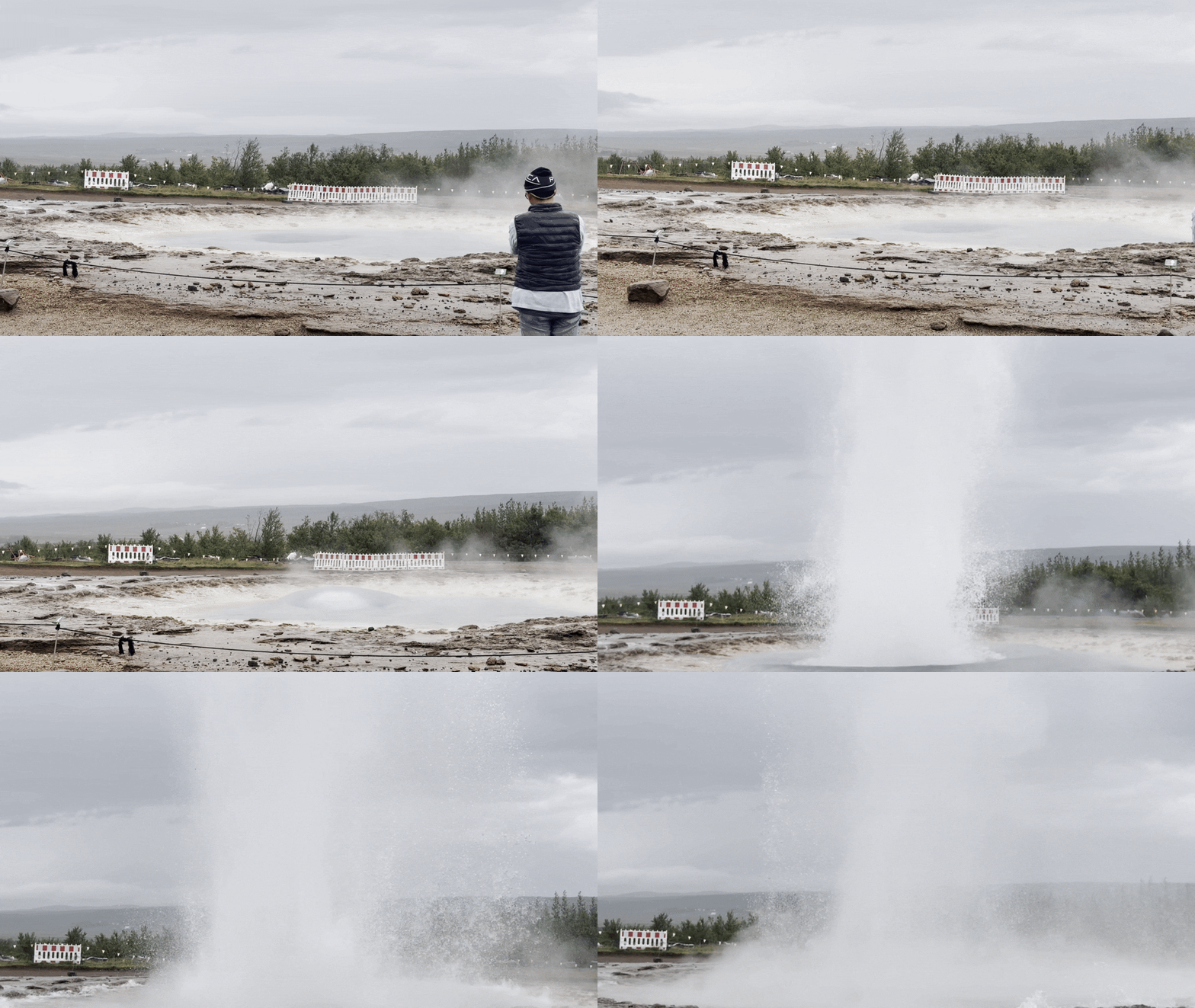
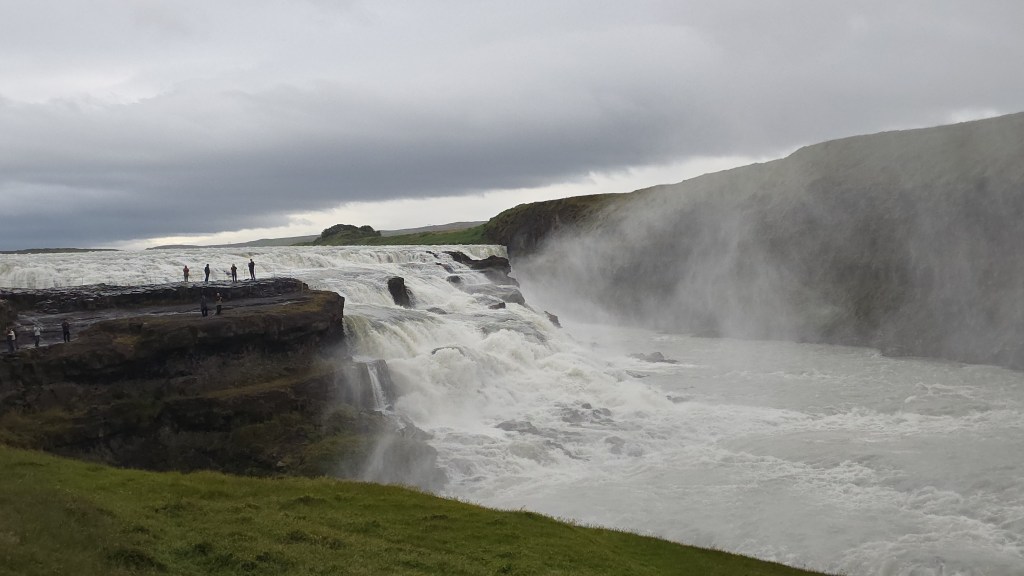
Our first full day also took us to the Golden Circle, an extremely popular tourist loop right next to Reykjavik. It was on this loop (which was a few kilometers eastward of the true path of totality) that we decided to settle and watch the eclipse. Though the eclipse glasses I purchased never saw daylight, our naked eyes were certainly spoiled by beautiful stops. Despite its name though, the Golden Circle ultimately proved to be merely average compared to what was to come on this trip.
Vik
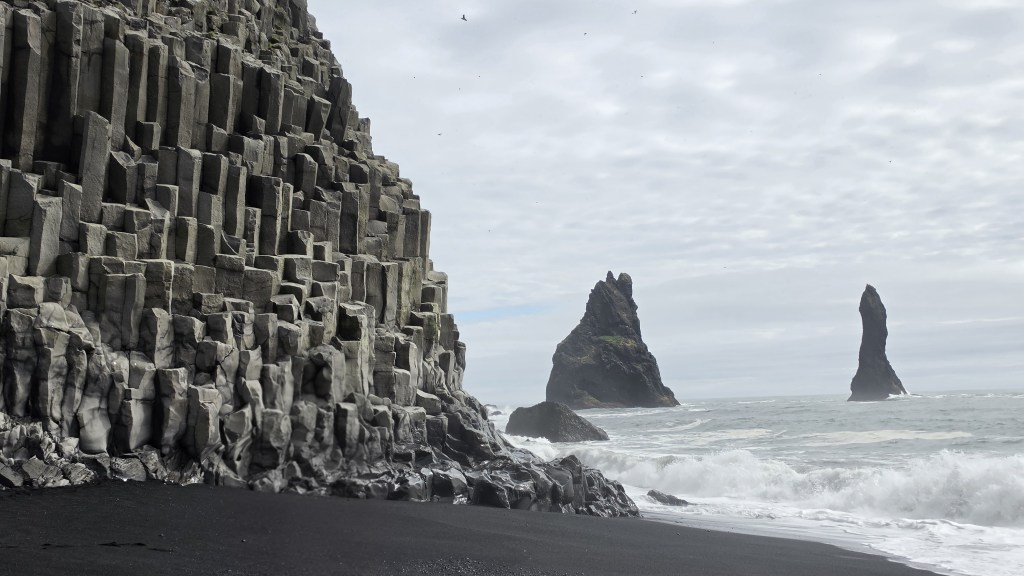
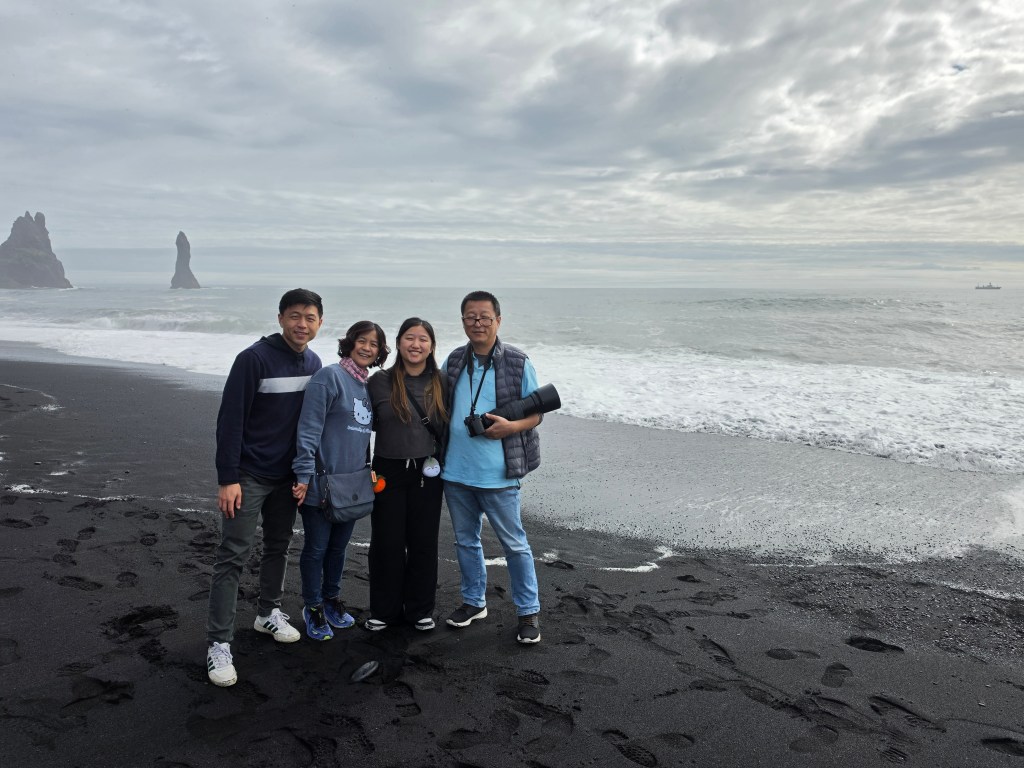
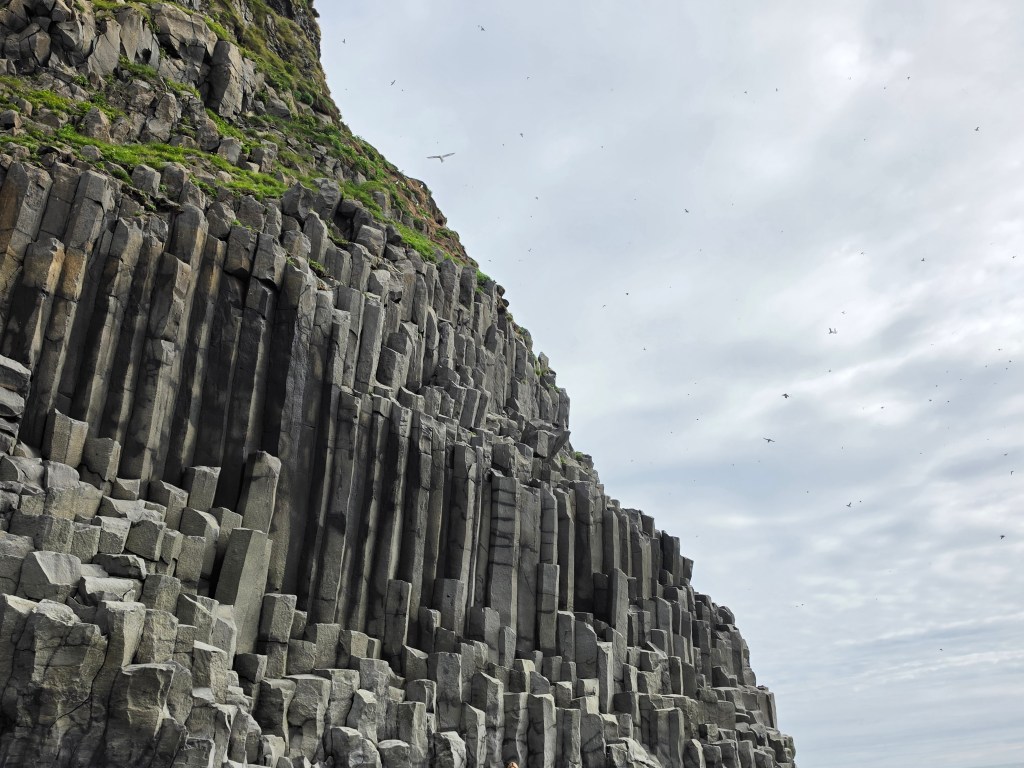
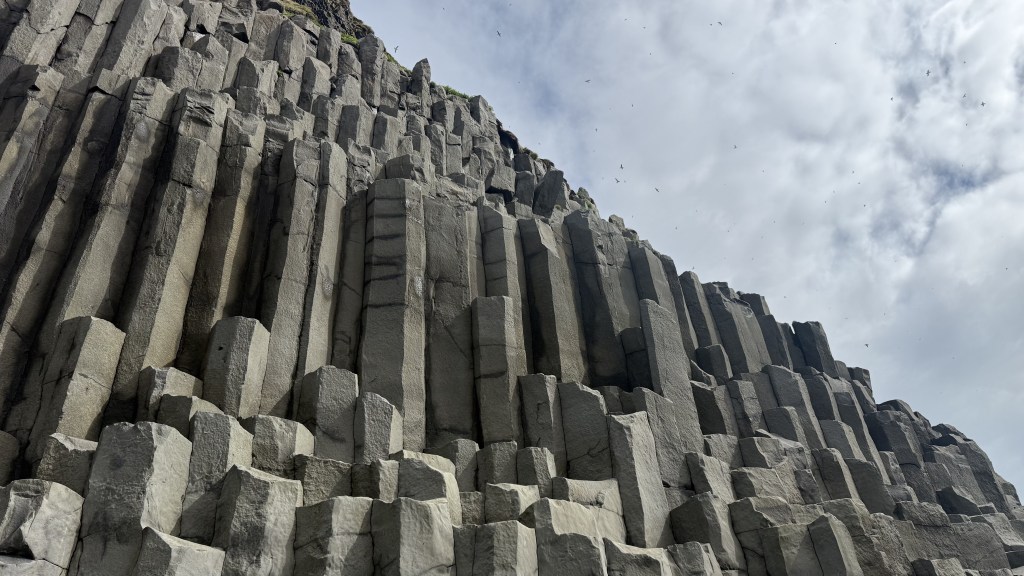
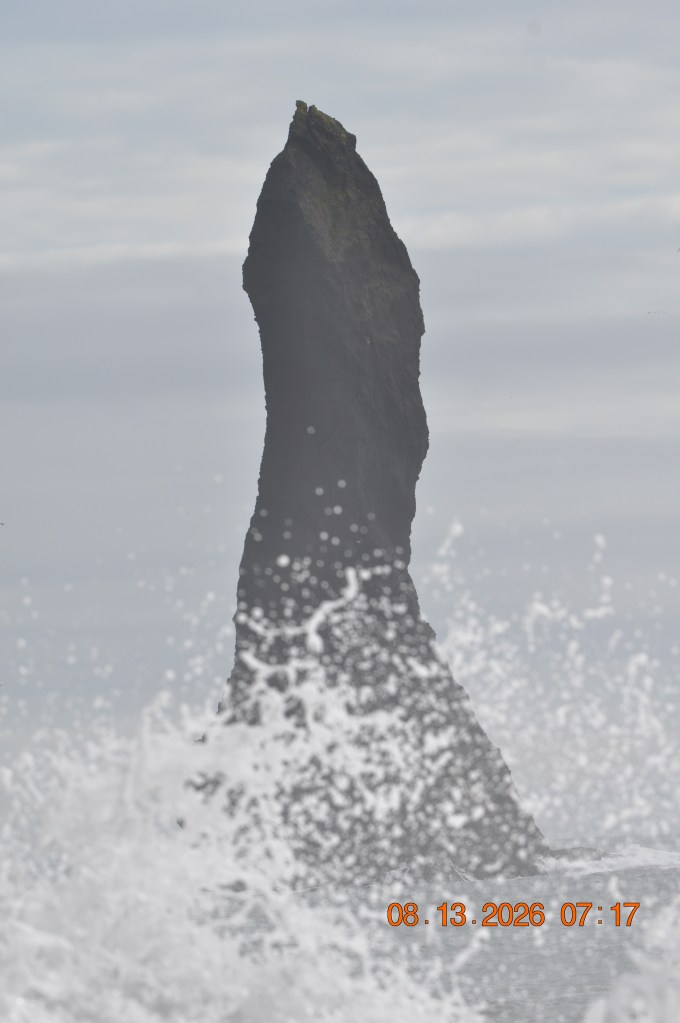
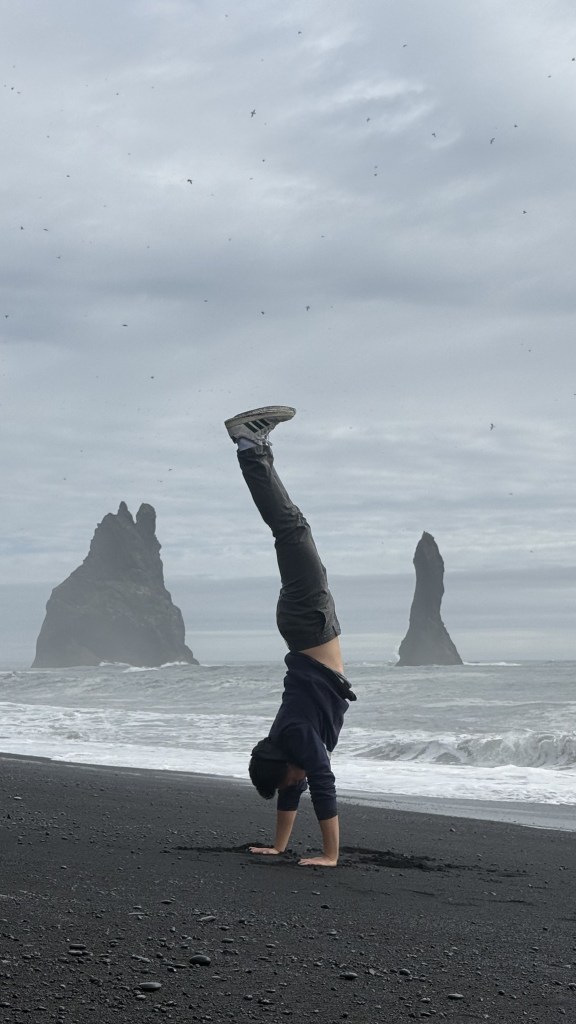
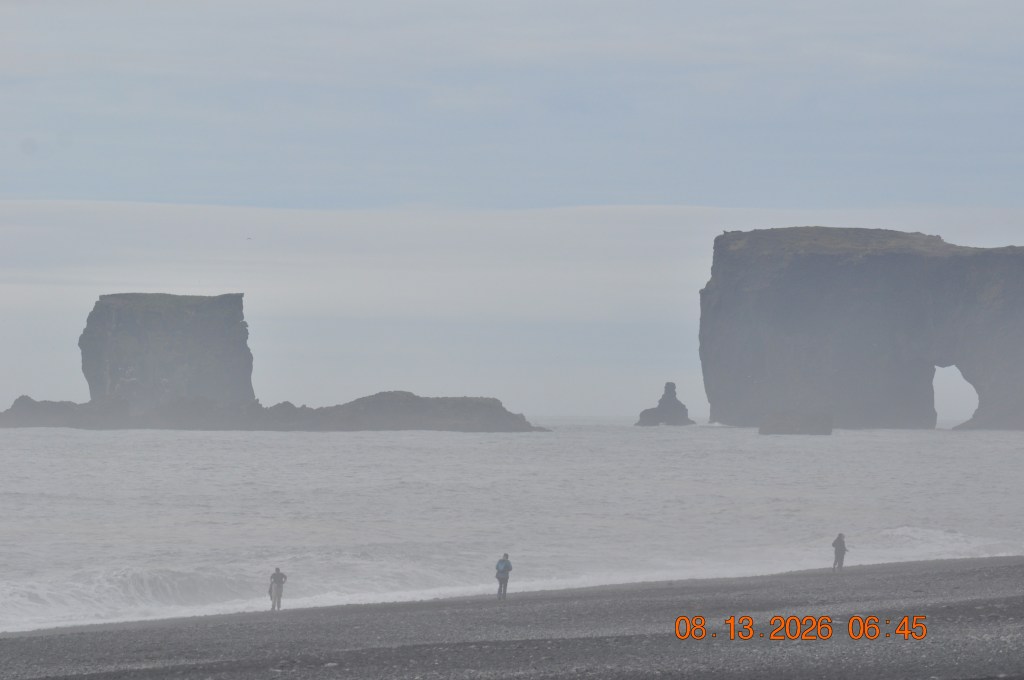
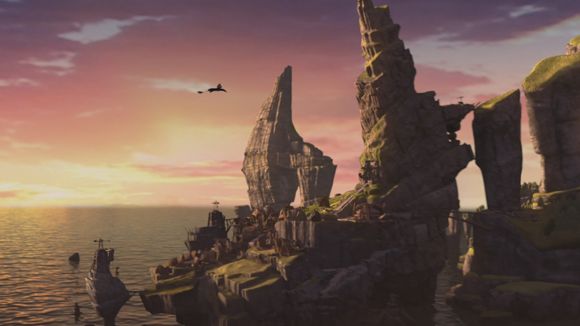
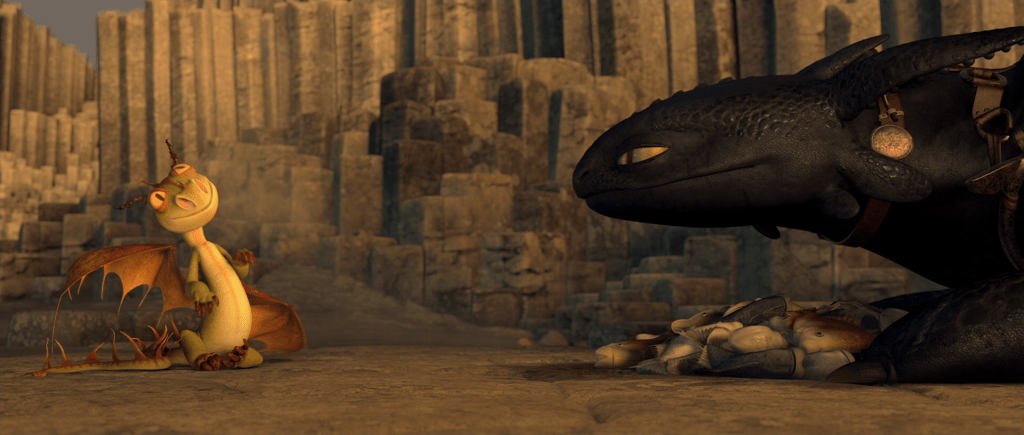
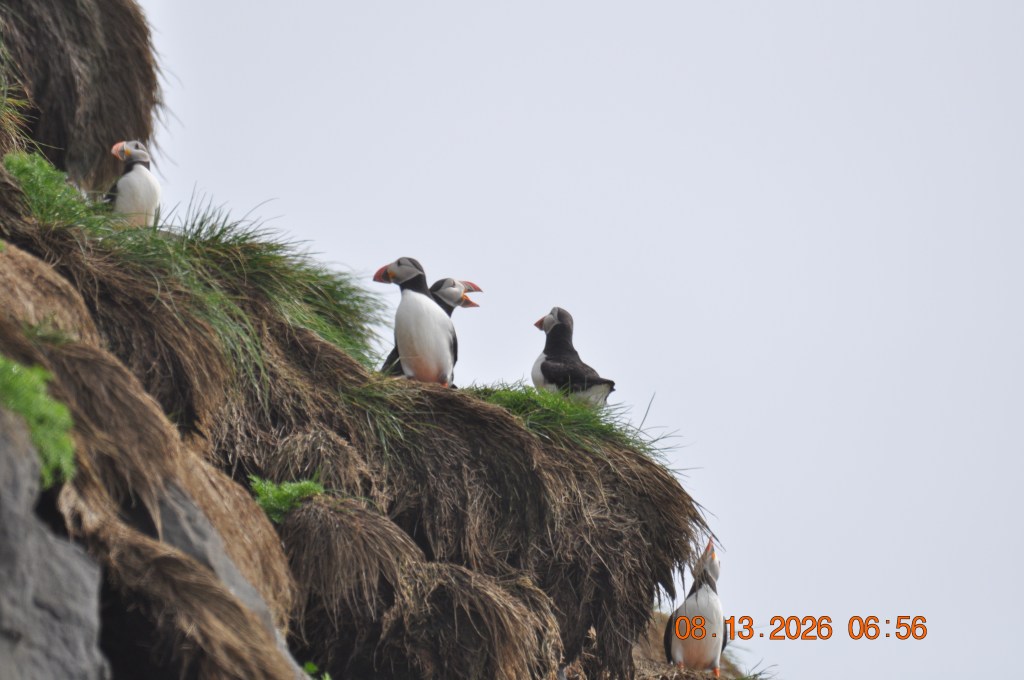
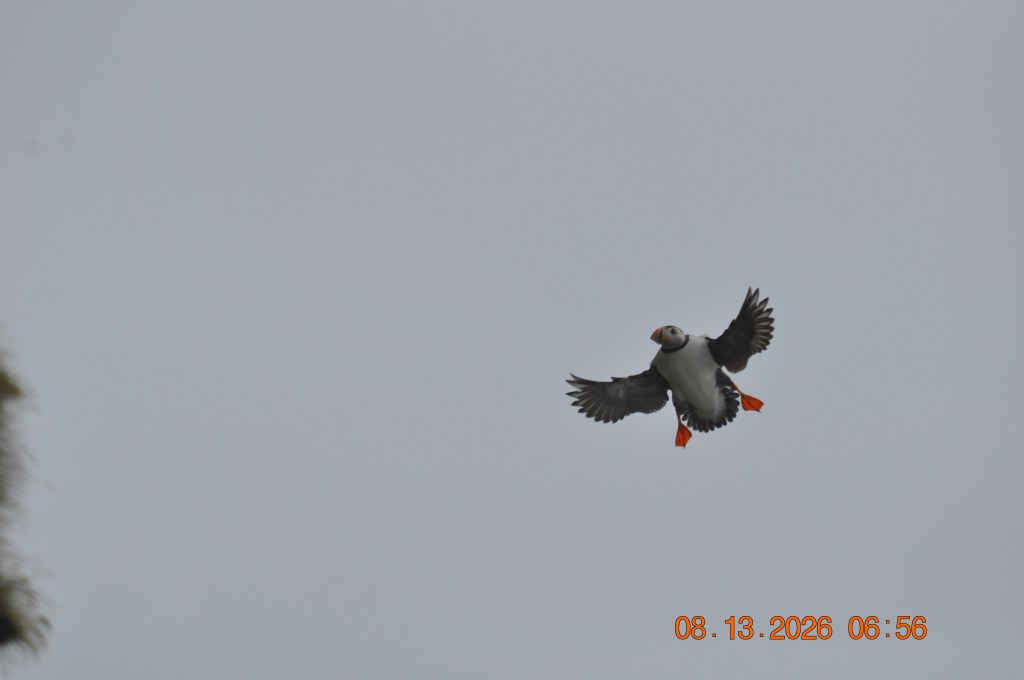
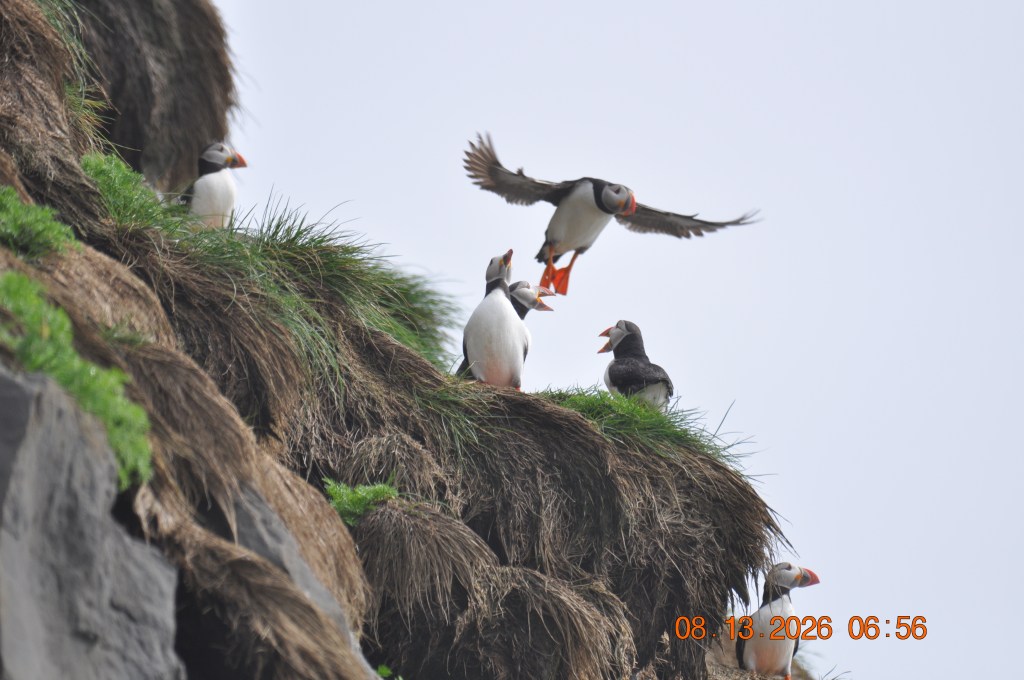
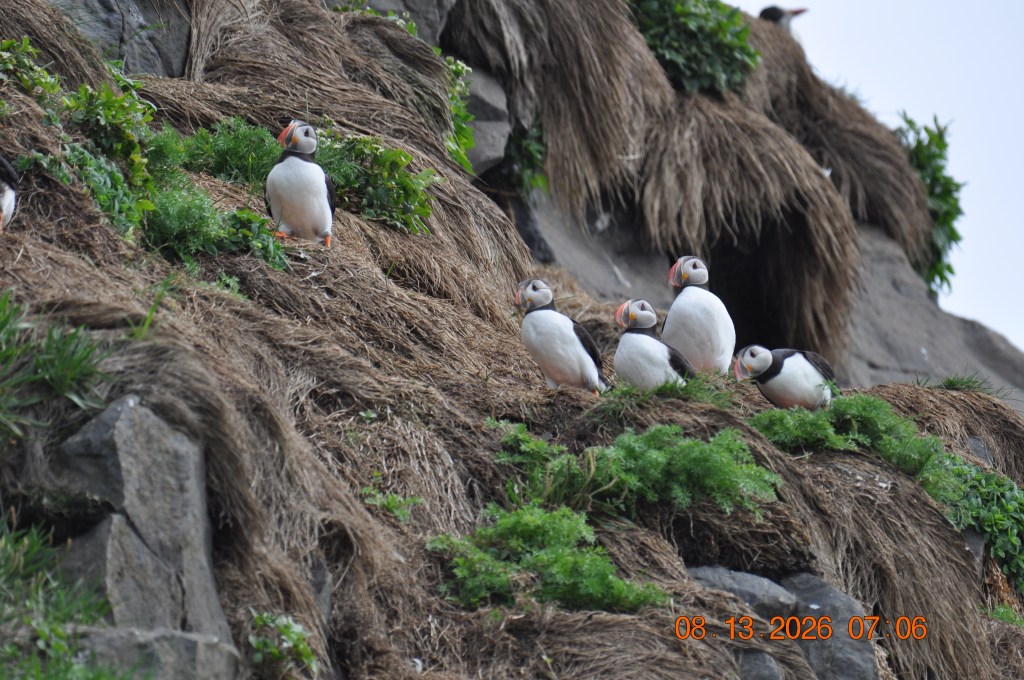
Starting day 3, we began journeying counterclockwise on the perimetric Ring Road of Iceland. Vik was our first stop on our way to our Höln cabin and was one of my favorite scenes from Iceland. It offered 4 uniquely Icelandic natural features assembled on a single beach: black volcanic sand, jagged sea cliffs, hexagonal Basalt columns, and Puffins! Puffins notwithstanding, I felt the scene at Vik must have been the inspiration for Berk in How to Train Your Dragon.
Svartifoss + Skógafoss
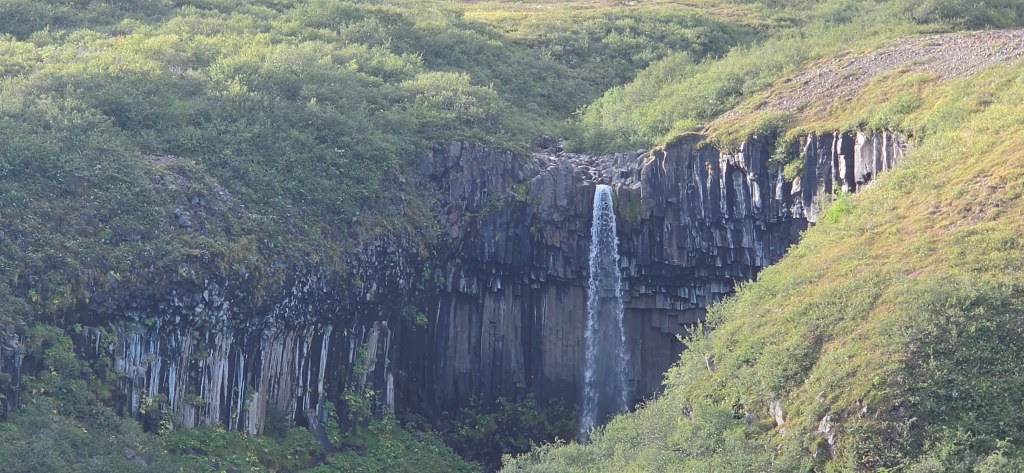
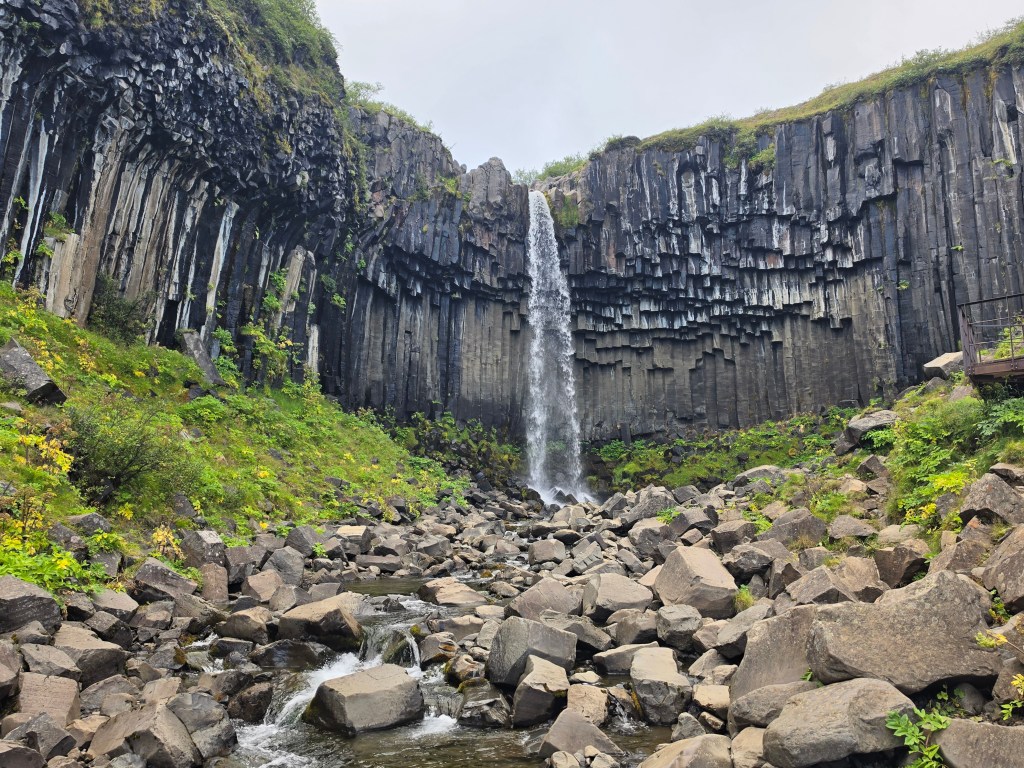
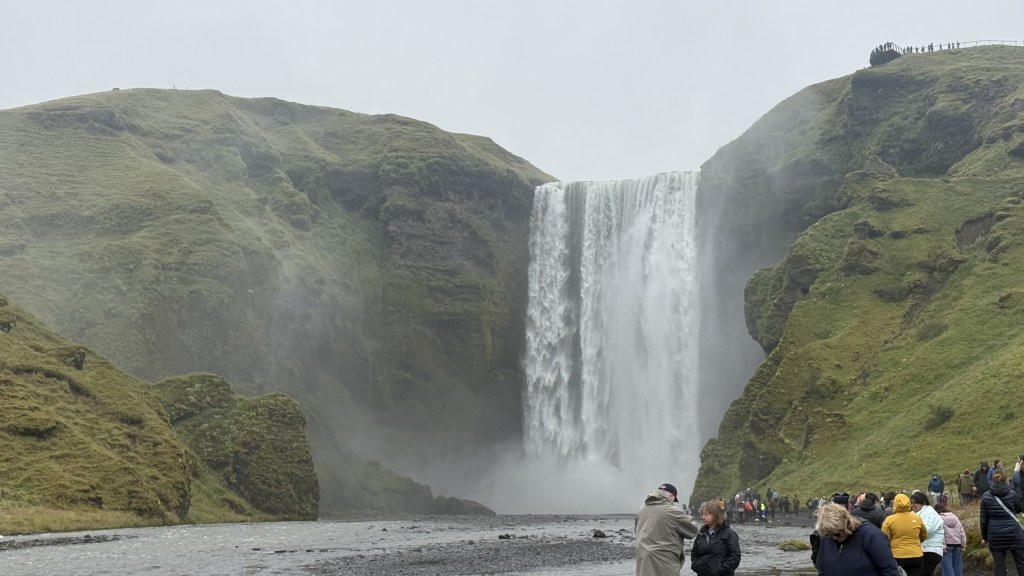
On the road, we also made a quick stop at a few waterfalls (fosses). Skógafoss was right off the Ring Road while Svartifoss required a easy 2 km trek that was well worth the effort. Svartifoss was the most beautiful waterfall I saw in Iceland. Despite lacking sheer power in volume, the falls cascade elegantly over an overhang of those iconic Basalt columns, crashing gently onto their eroded remains.
Jökulsárlón
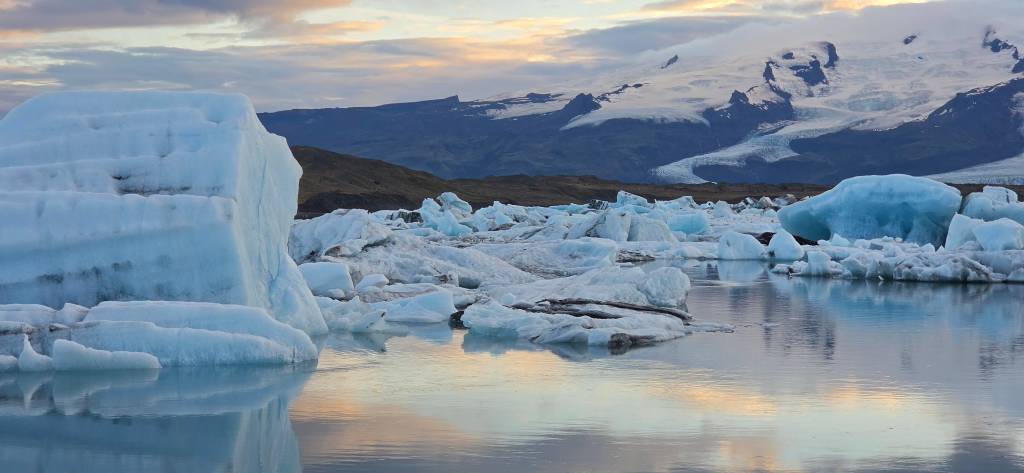
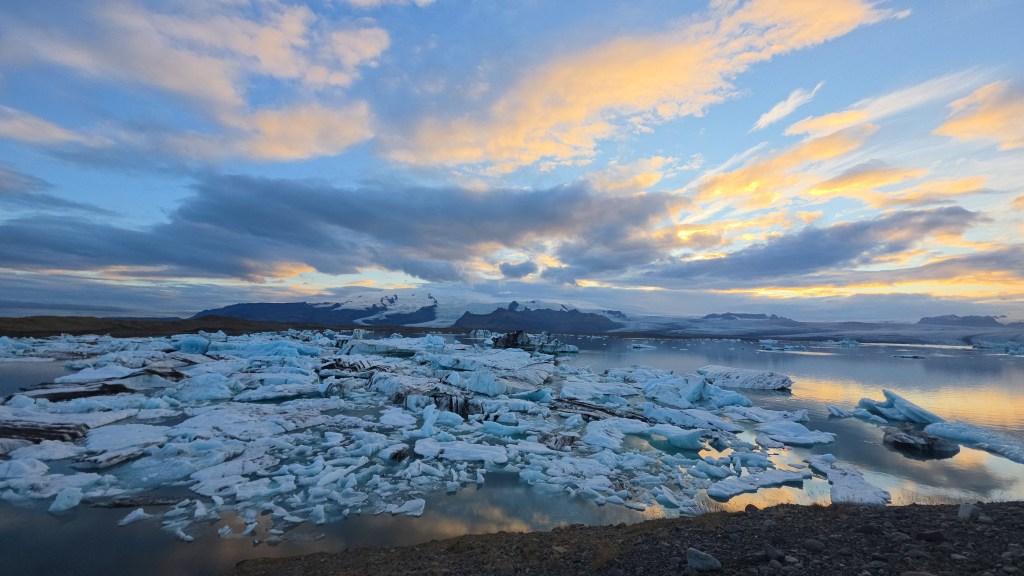
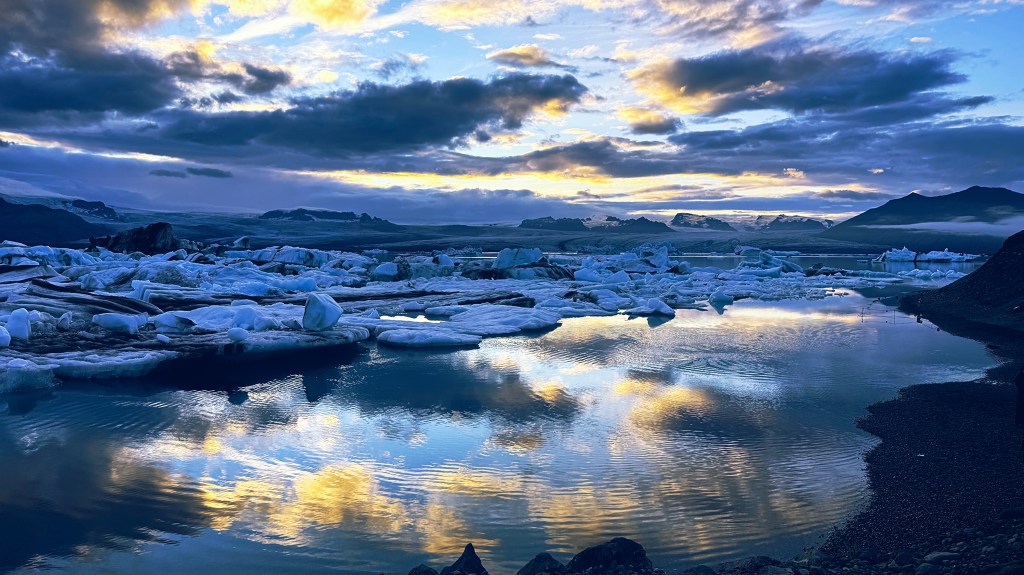
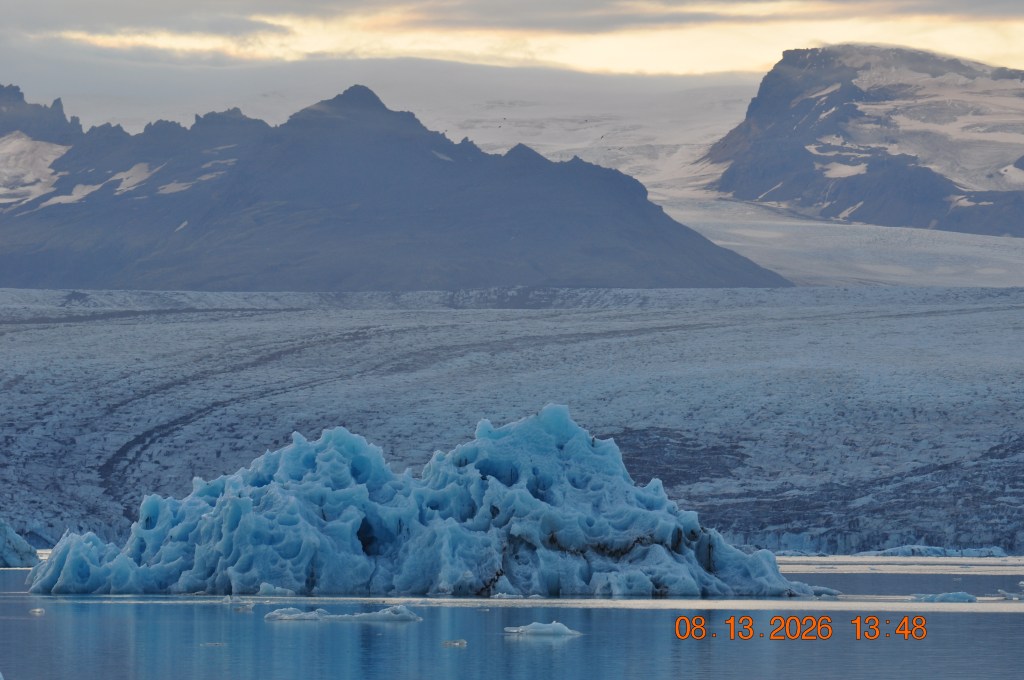
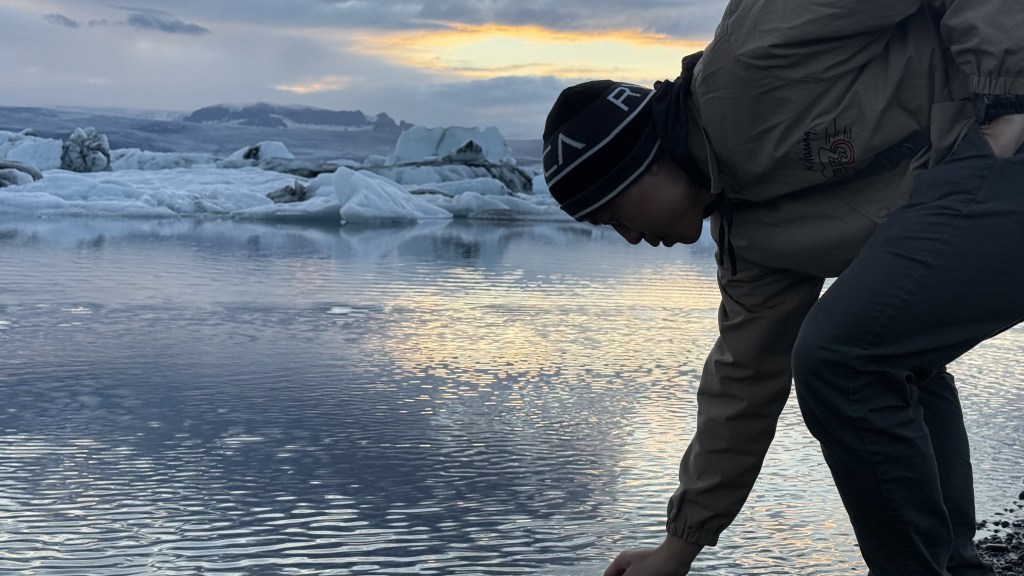
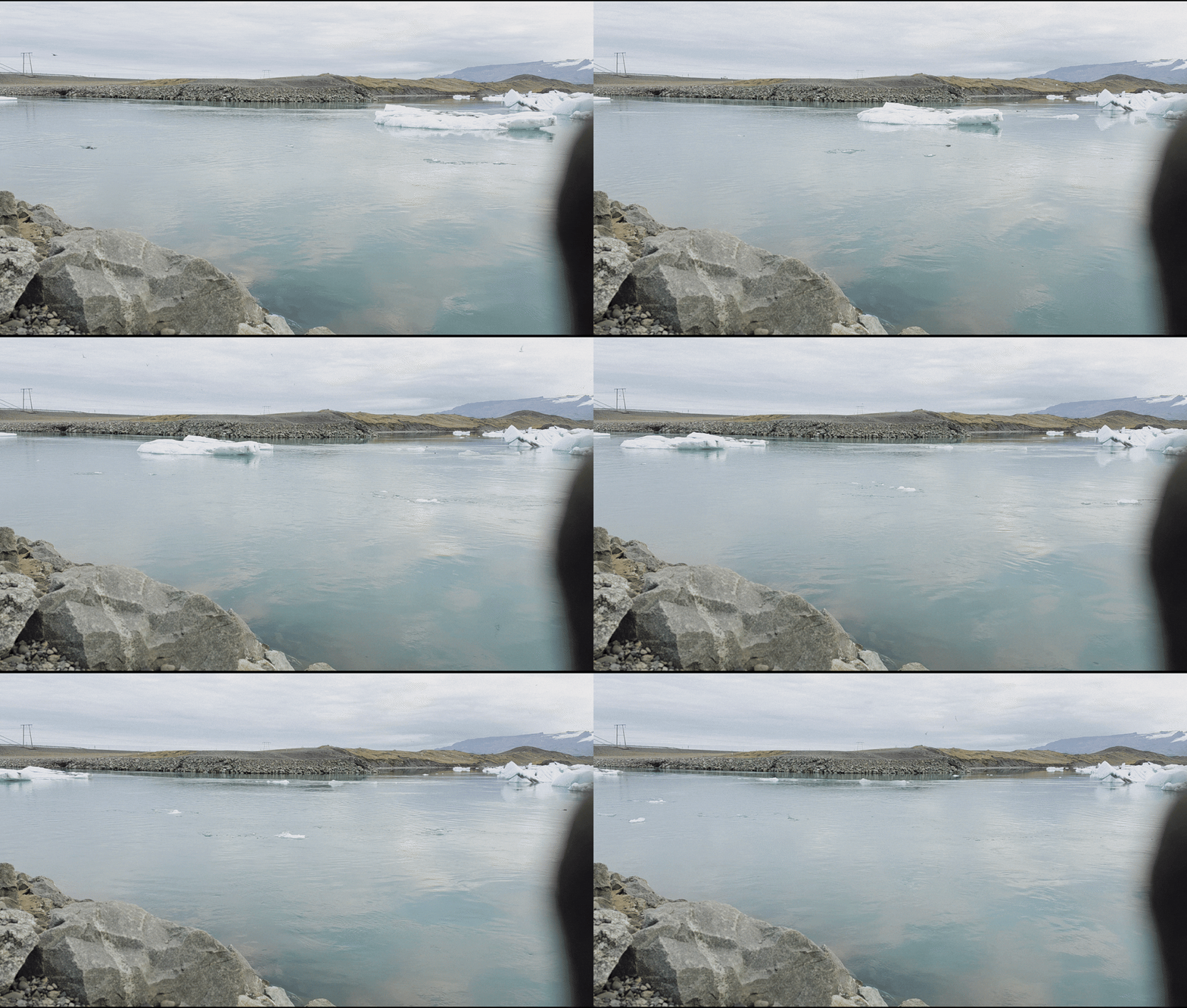
This, for me, was the piéce de resistance of the trip. Jökulsárlón is essentially a bottleneck where the largest glacier in Europe (Vatnajökull) attempts drain into the sea via a tiny channel no more than 50 m wide. Because of this pinch, Jökulsárlón has become a sort of queue for massive pieces of glacial ice, each patiently waiting its turn to finally join the big blue. With these frigid behemoths at the forefront and a supporting backdrop that transitions from crystalline lake to daunting glacier to magnificent sky, this scene offers the best water can offer, in all 3 of its fantastic states.
We loved this location so much we came here twice. The first was more serendipitous, as we had no intention of stopping but were immediately entranced by these massive ice blocks set before a stunning sunset. Our hopes of catching an equally if not more spectacular sunset were in vain the following evening.
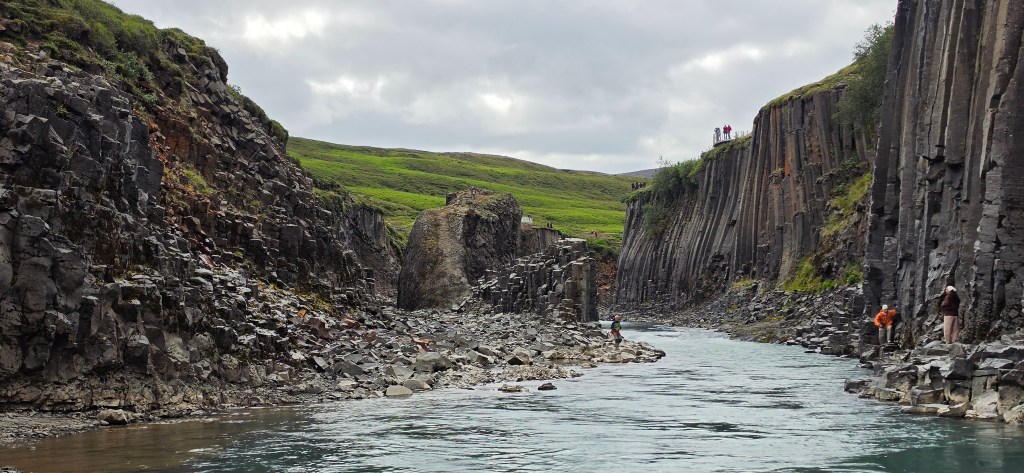
Múlagljúfur
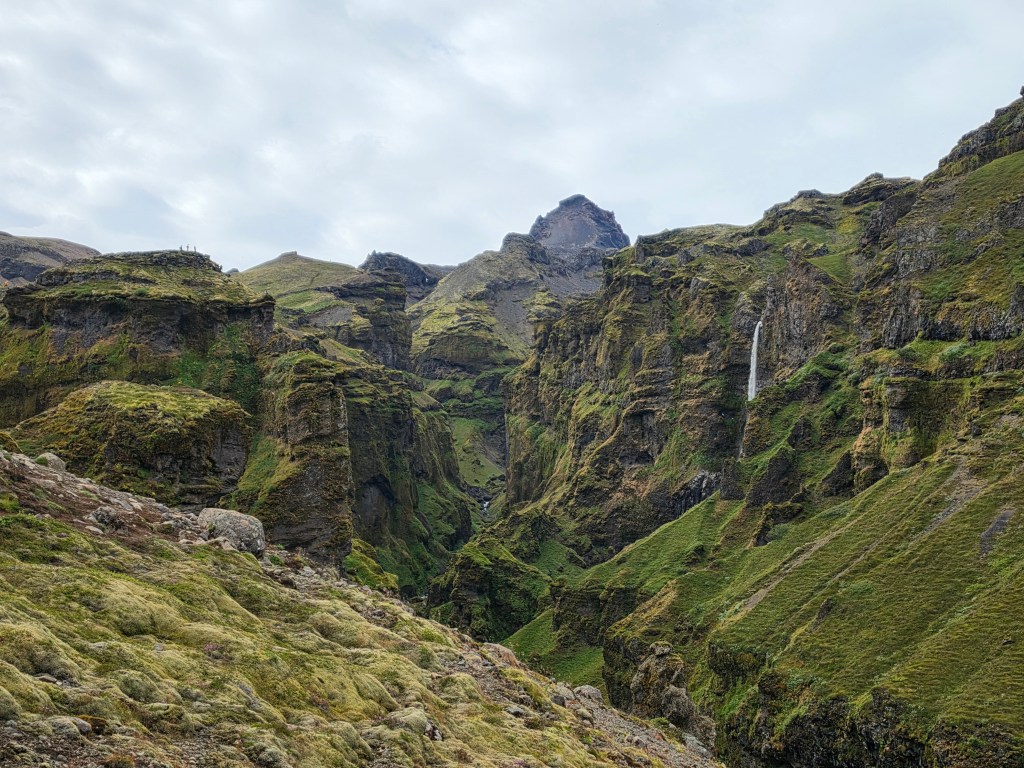
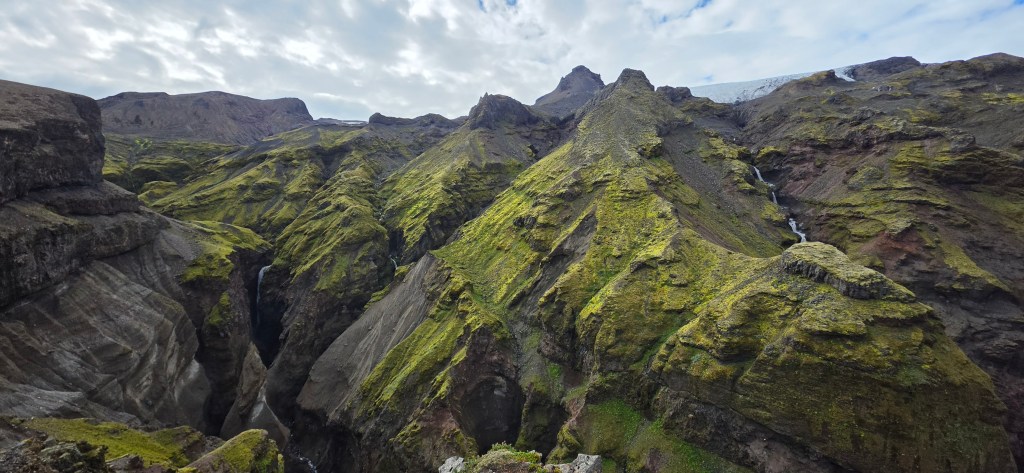
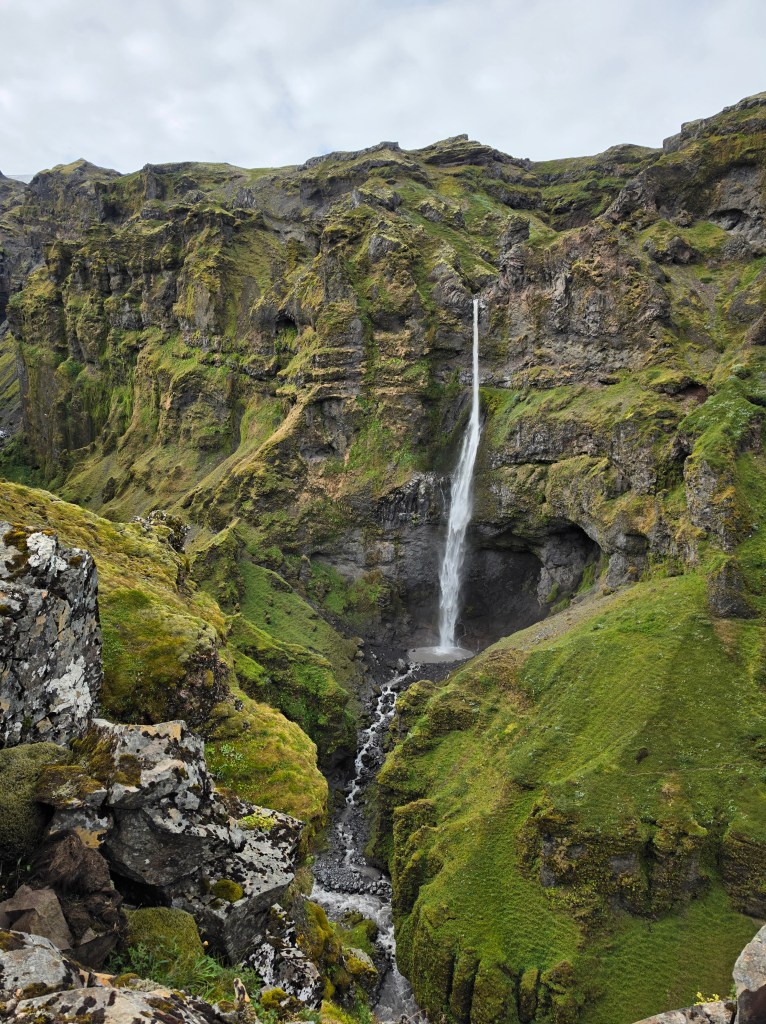
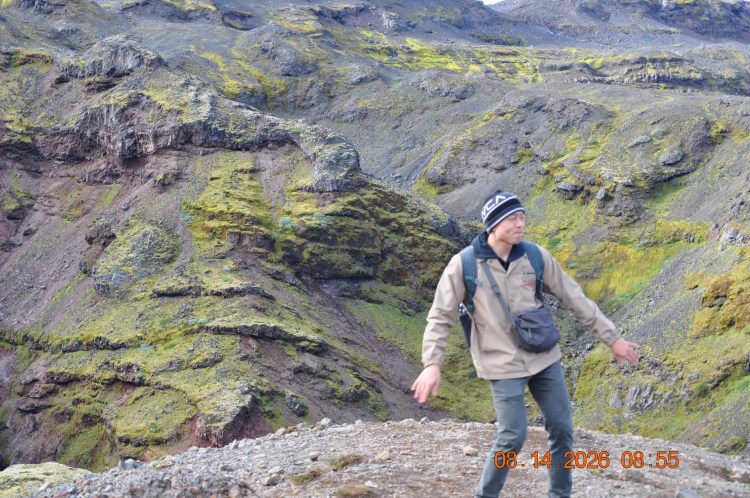
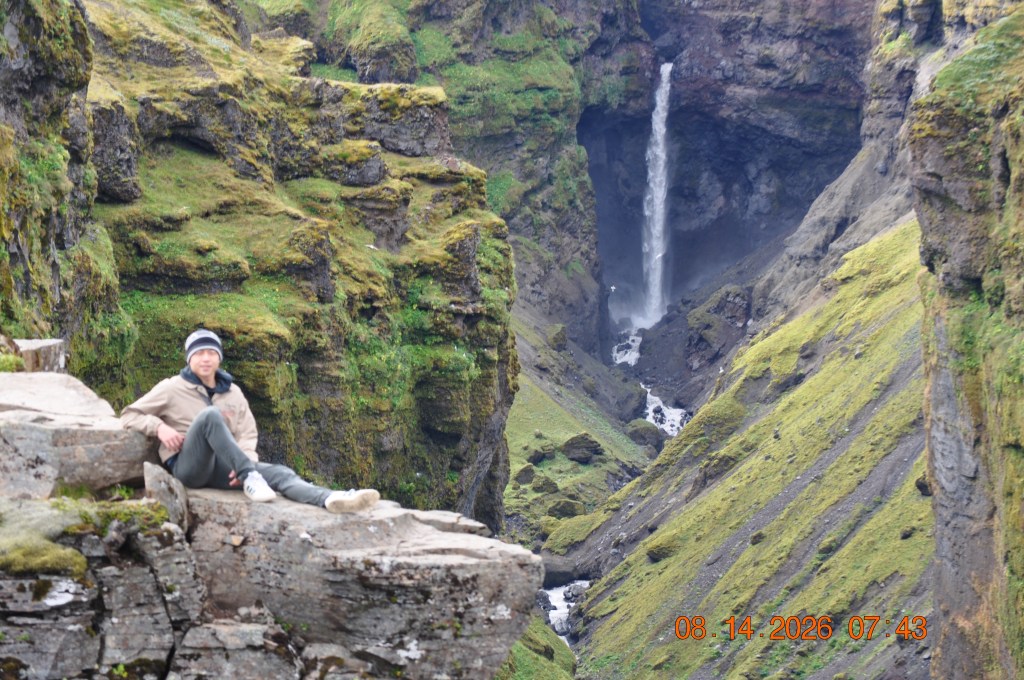
This was the most strenuous activity we had on our itinerary. The hike up to the peak of Múlagljúfur overlooking both the moss-dusted canyon and the North Sea beyond was a 5 km loop up a steep incline. Pair that with a recent rain and it was quite the hazardous 3 hour ordeal. Thankfully we’re all alive and took some magnificent pictures. It’s an indescribable feeling to look DOWN off the side of the trail and see birds flying through the canyon.
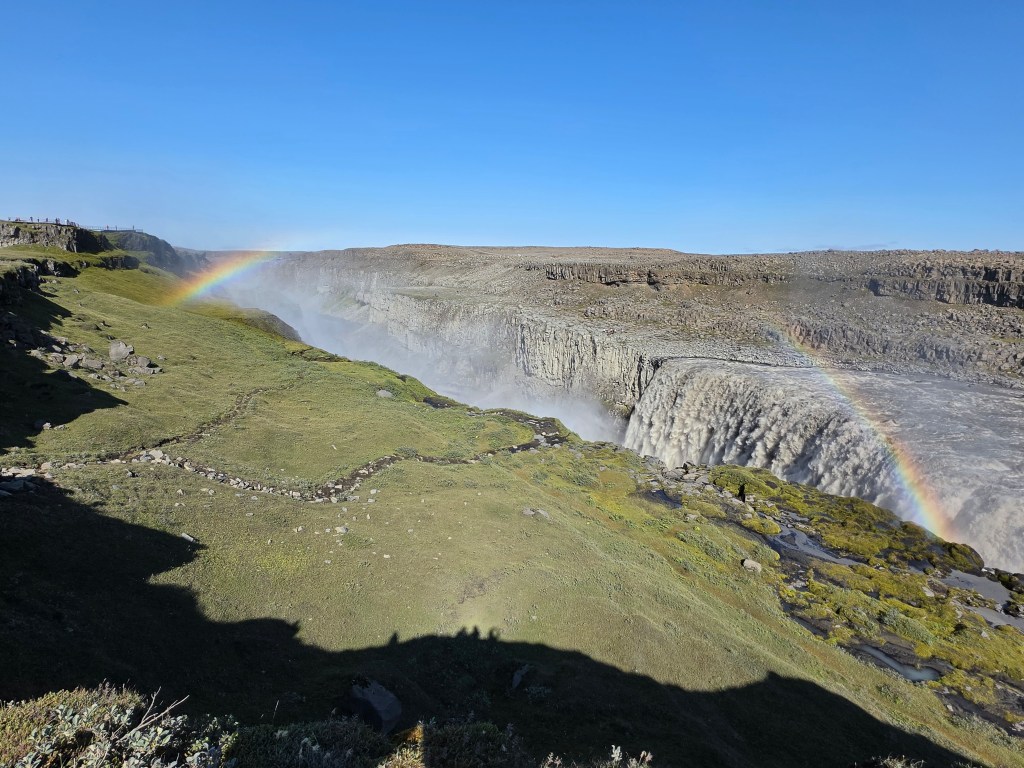
Dettifoss
My final leg of the trip was between Egilsstaðir and Akureyri (Iceland’s 2nd largest town outside of the greater Reykjavik area). This stretch of highway finally took us away from the coast and into the Icelandic highlands. The highlands were quite desolate, with only the sparsest of flora adding signs of life to an otherwise Mars-like landscape. Nonetheless, nestled up in highlands hidden from sight until you literally almost fall into it is Dettifoss: Europe’s largest waterfall by volume.
Animals:
Iceland, as expected for an arctic tundra, has a short list of fauna. The only biologically native animal is the shy and elusive arctic fox, and a few species of burrowing rodents, both of which we did not spot. However, we were privy to both migratory Puffins and Norway-introduced reindeer, both of which were a treat to see as uniquely arctic animals.
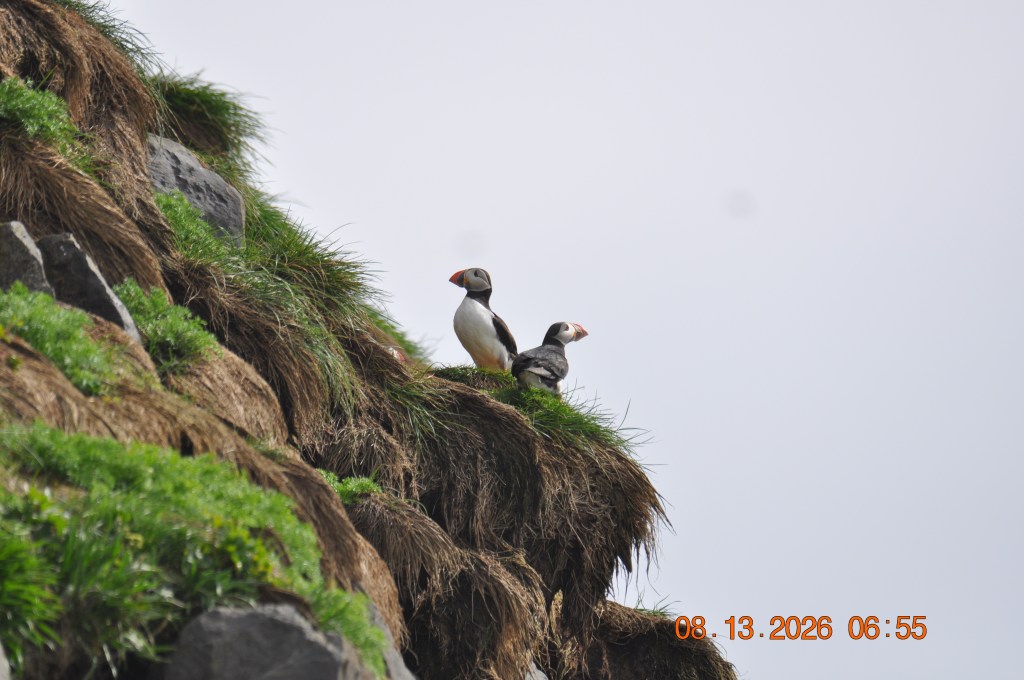
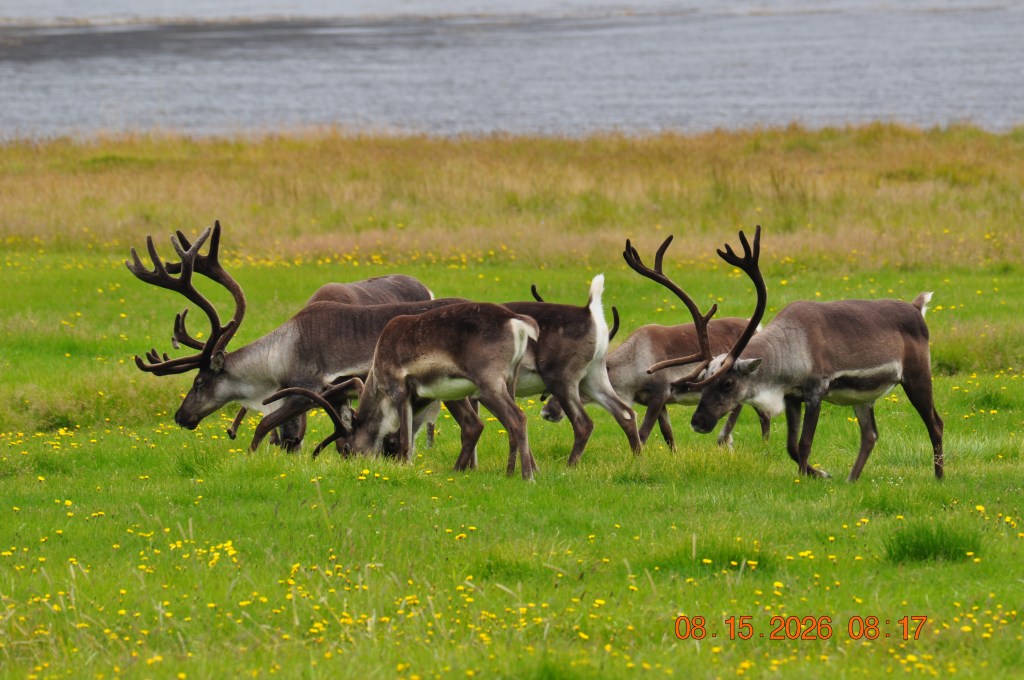
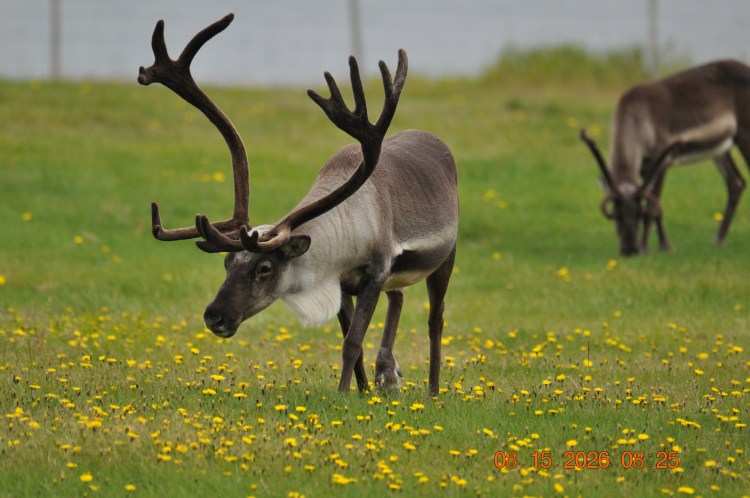
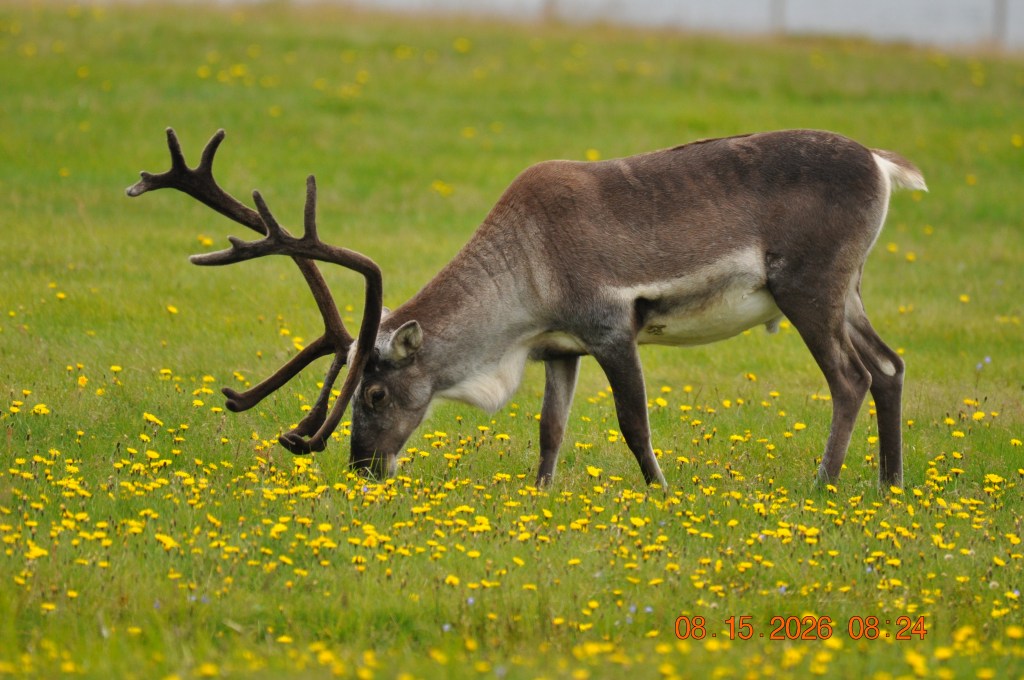
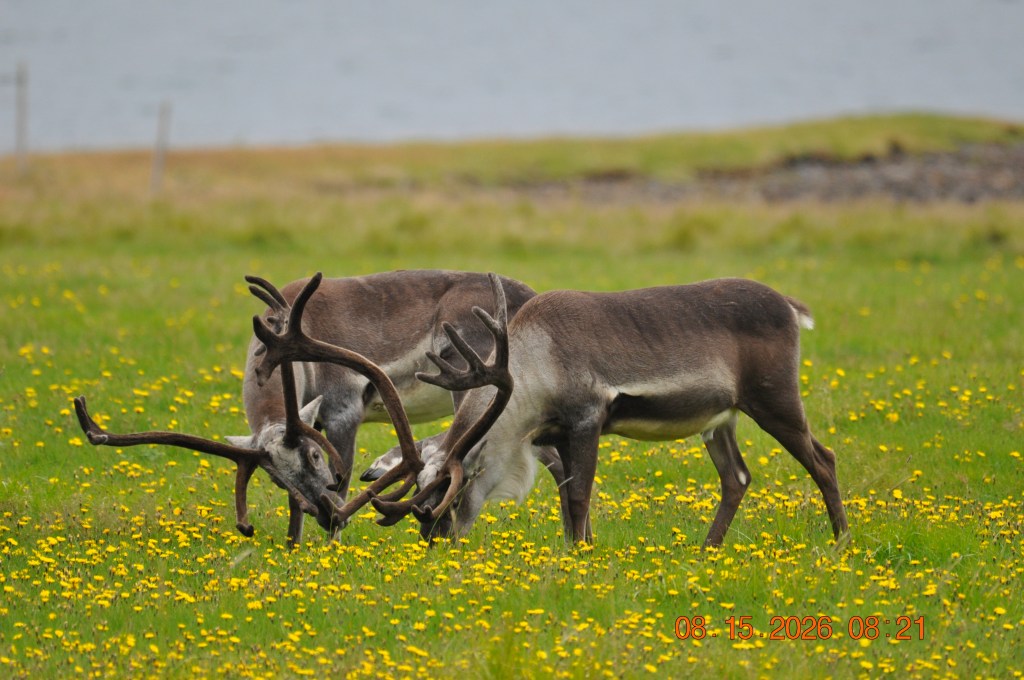
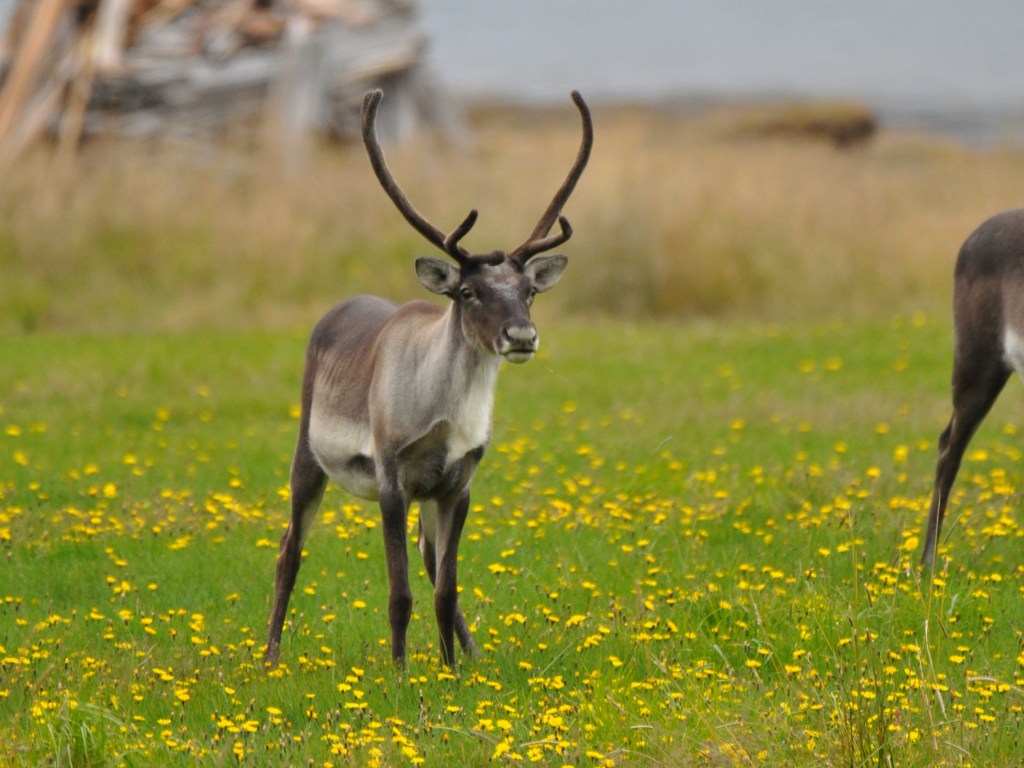
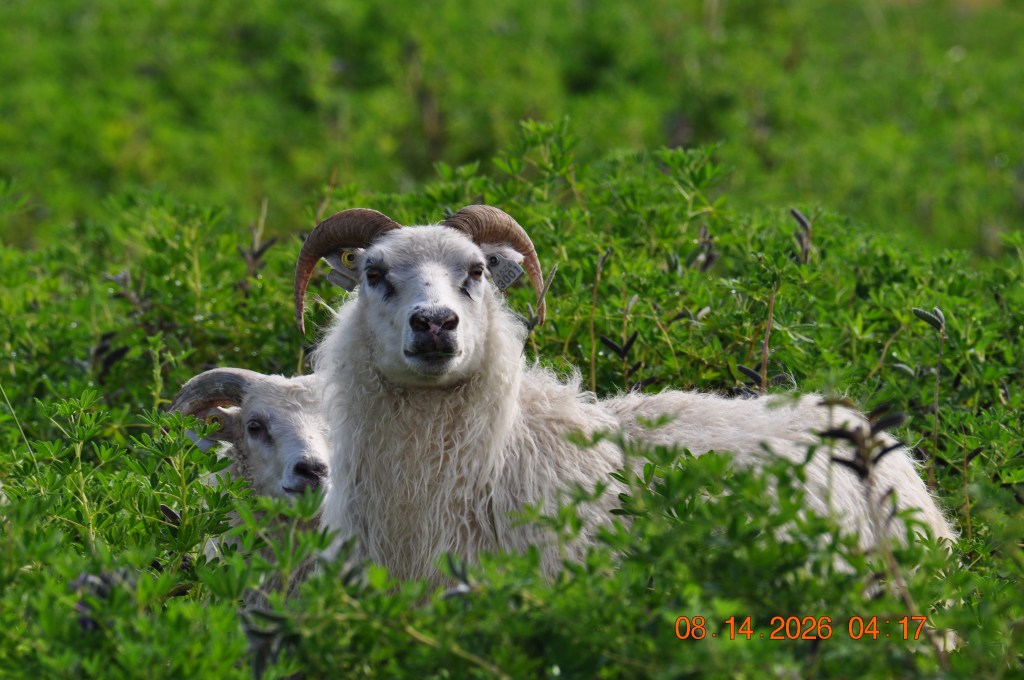
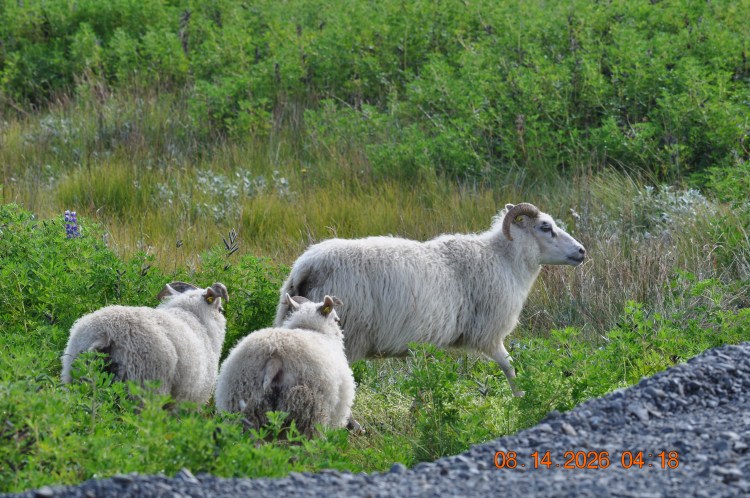
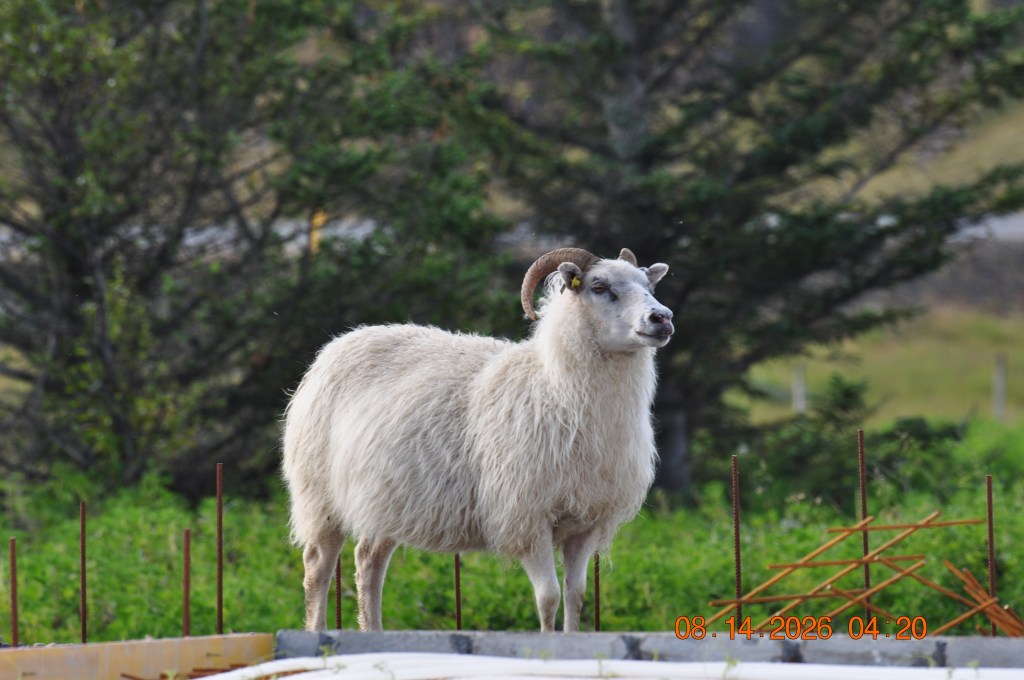
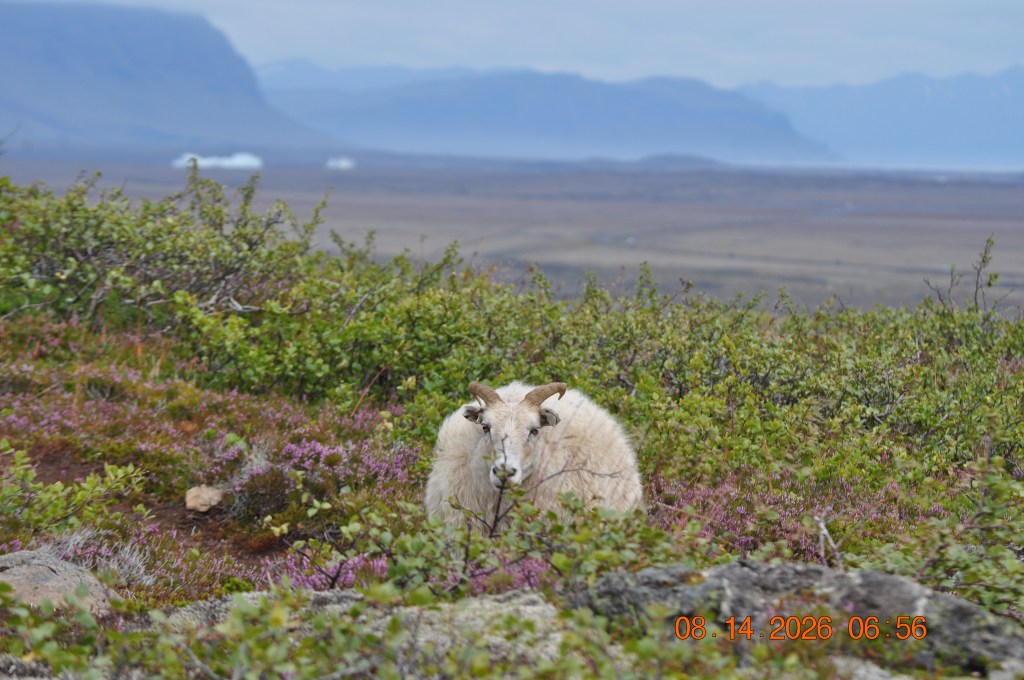
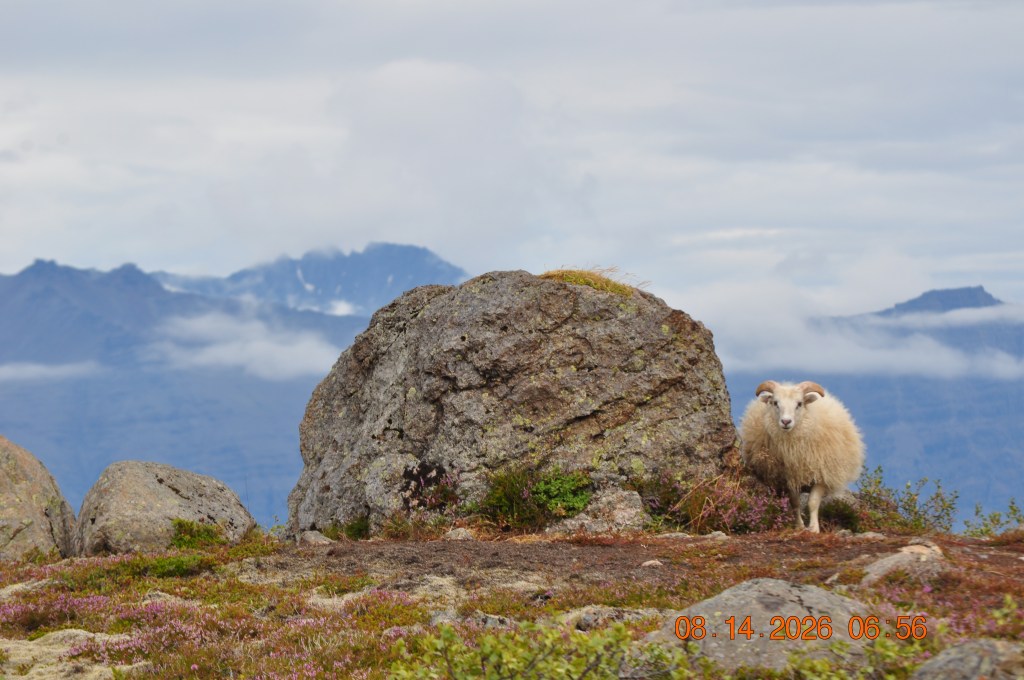
However, far and away the most common animals we saw on Iceland were sheep. Apparently there are just as many sheep on Iceland as there are people (400,000). Driving the Ring Road, Sheep Xing was 10x the hazard that Ped Xing was. Another common roadside beauty was the Icelandic horse, manes flowing in the biting wind.
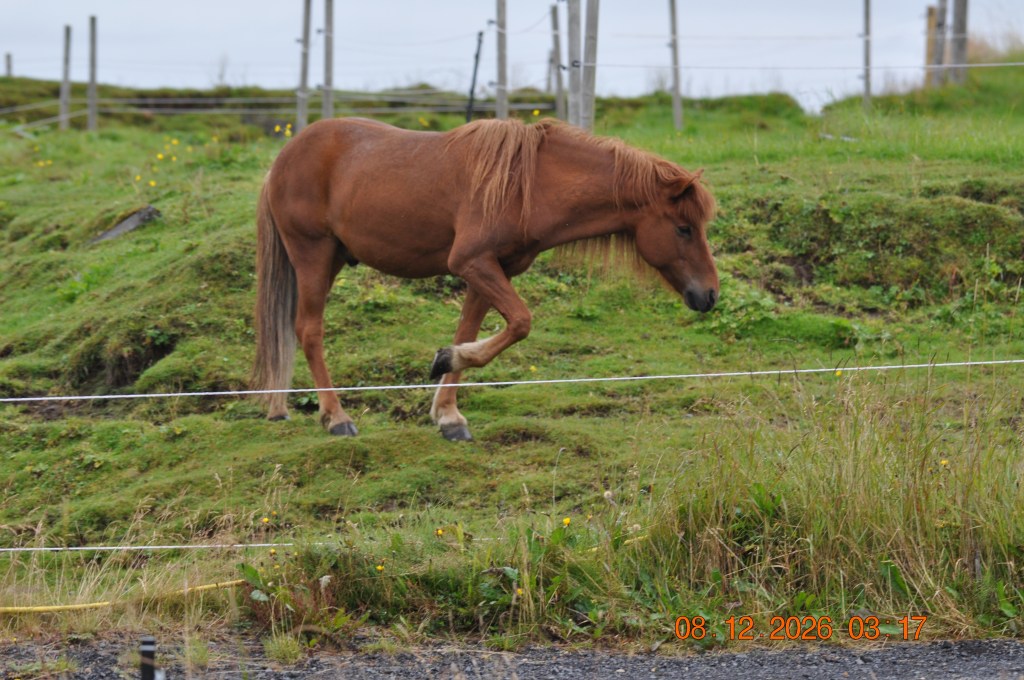
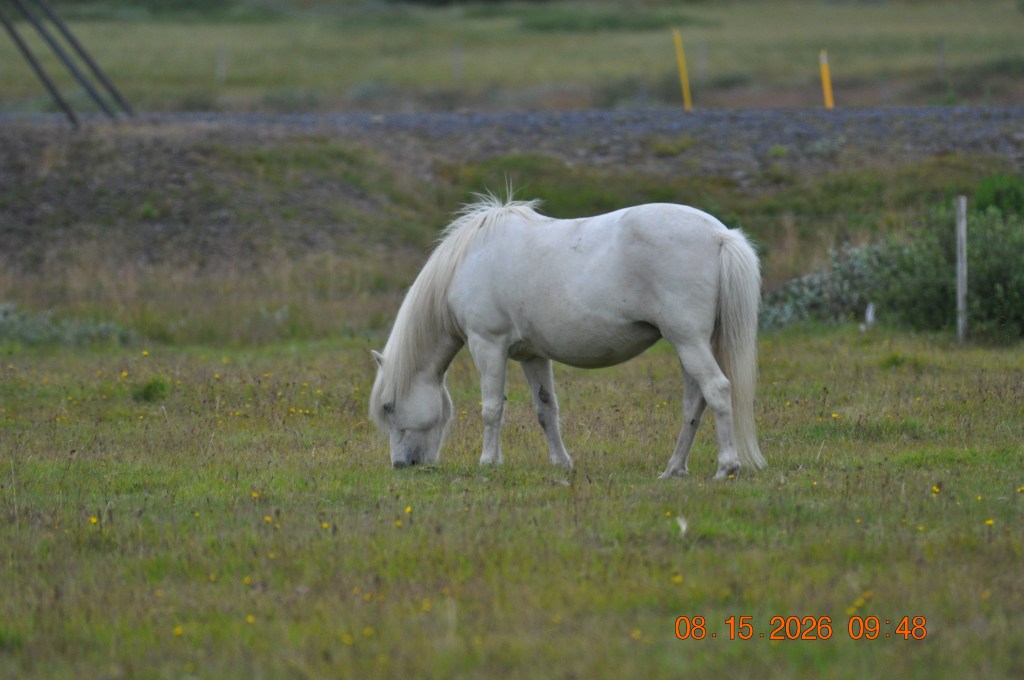
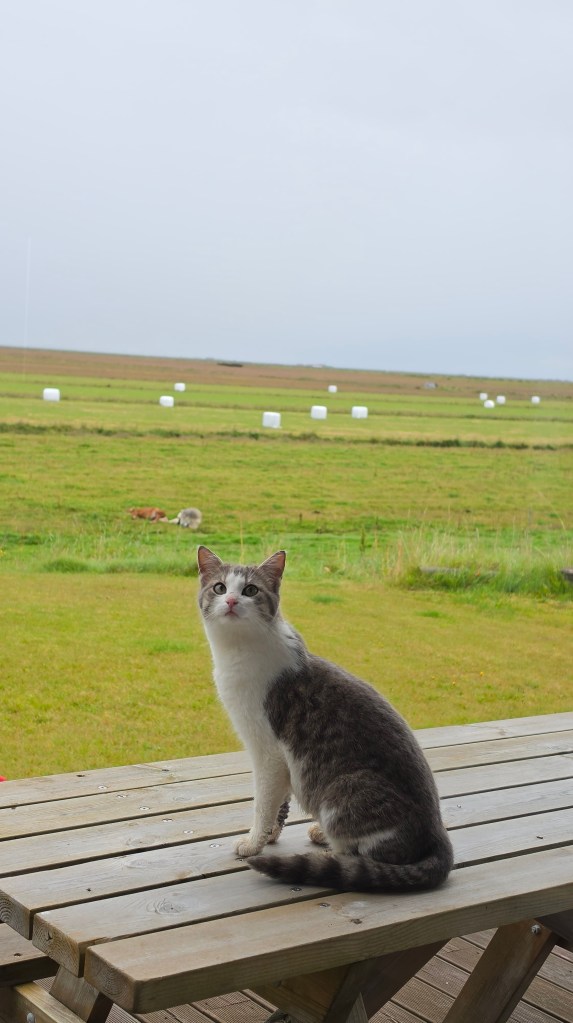
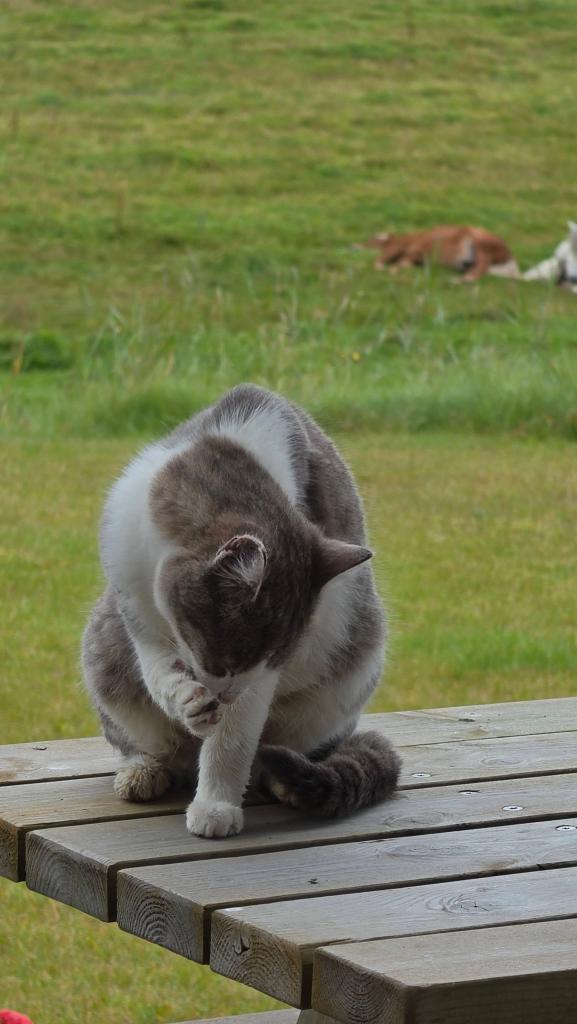
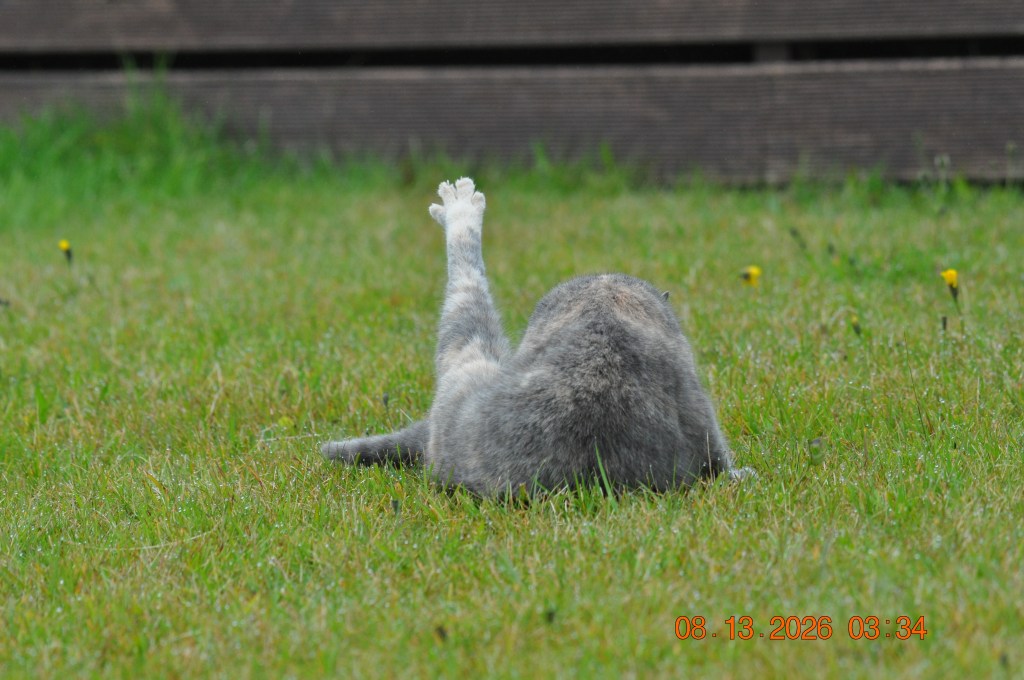
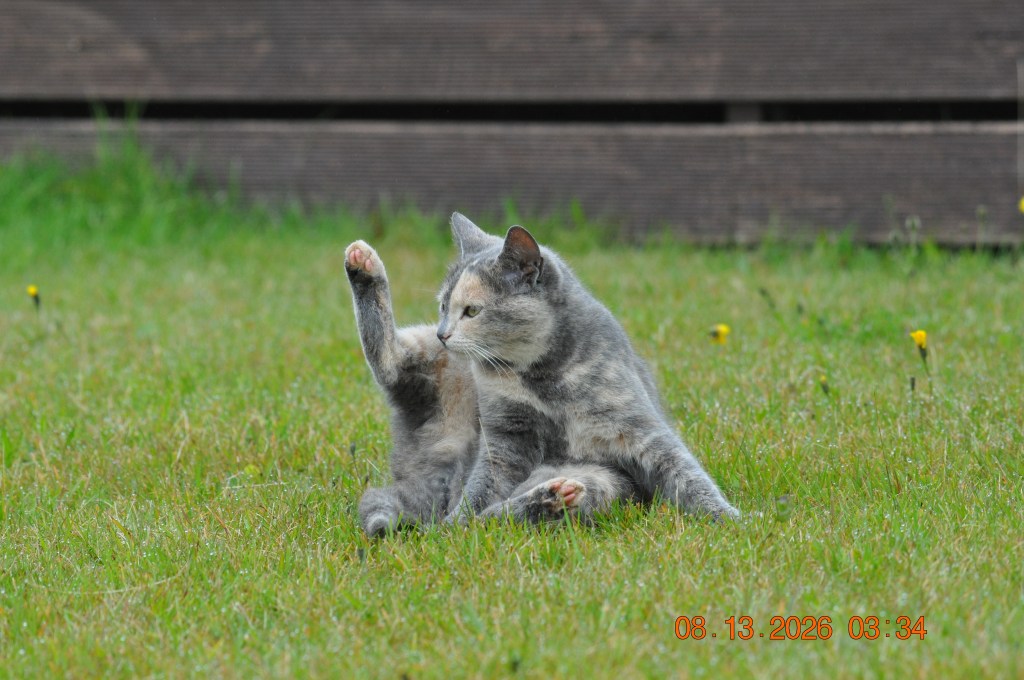
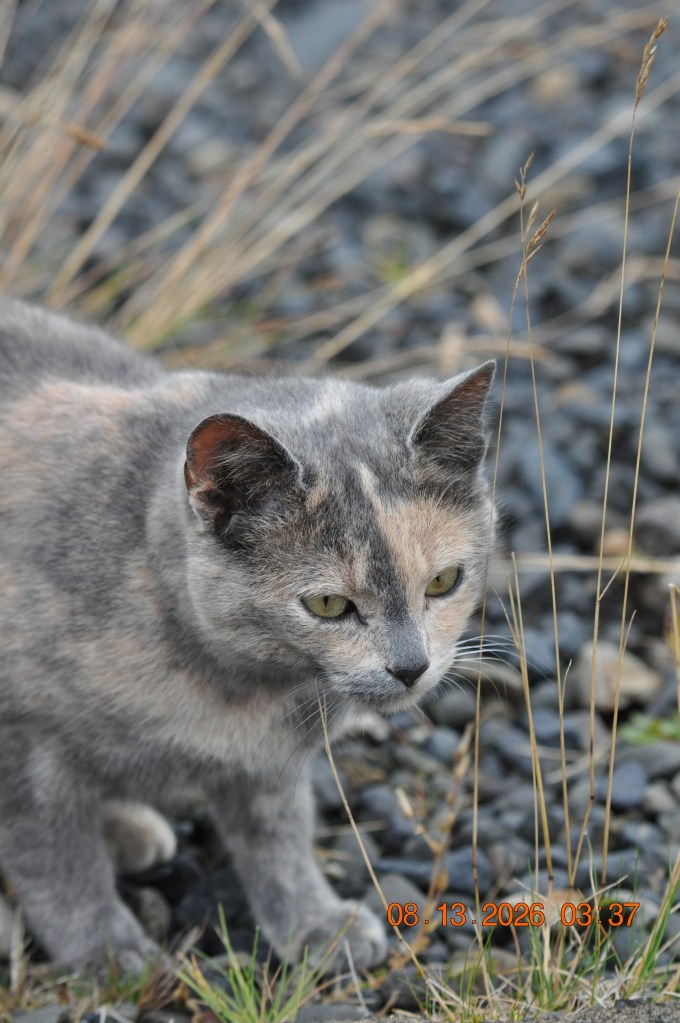
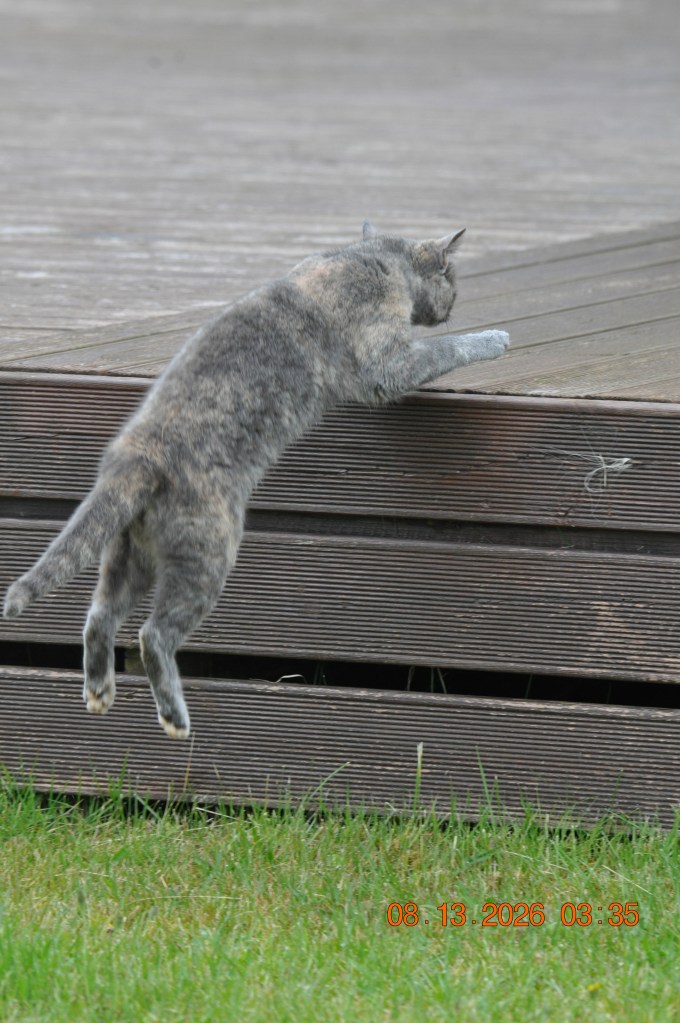
There were a surprisingly large number of free-roaming cats in many of the small towns. We even made some domesticated friends our first few nights.
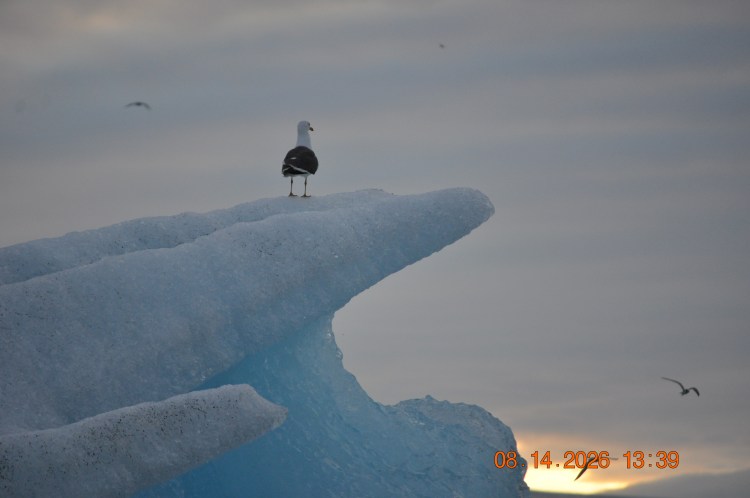
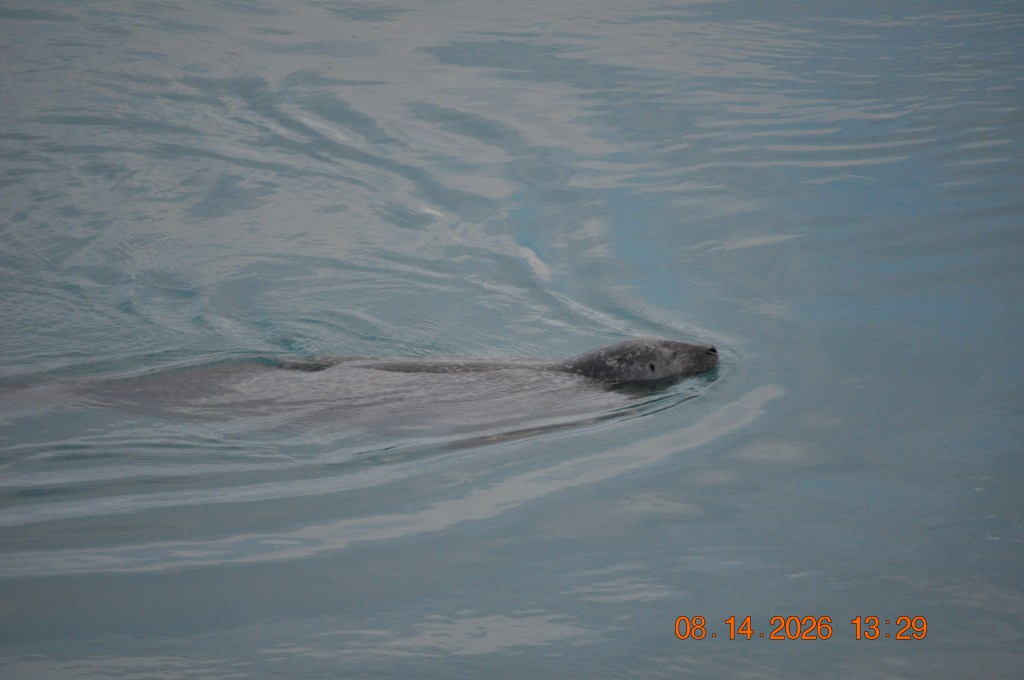
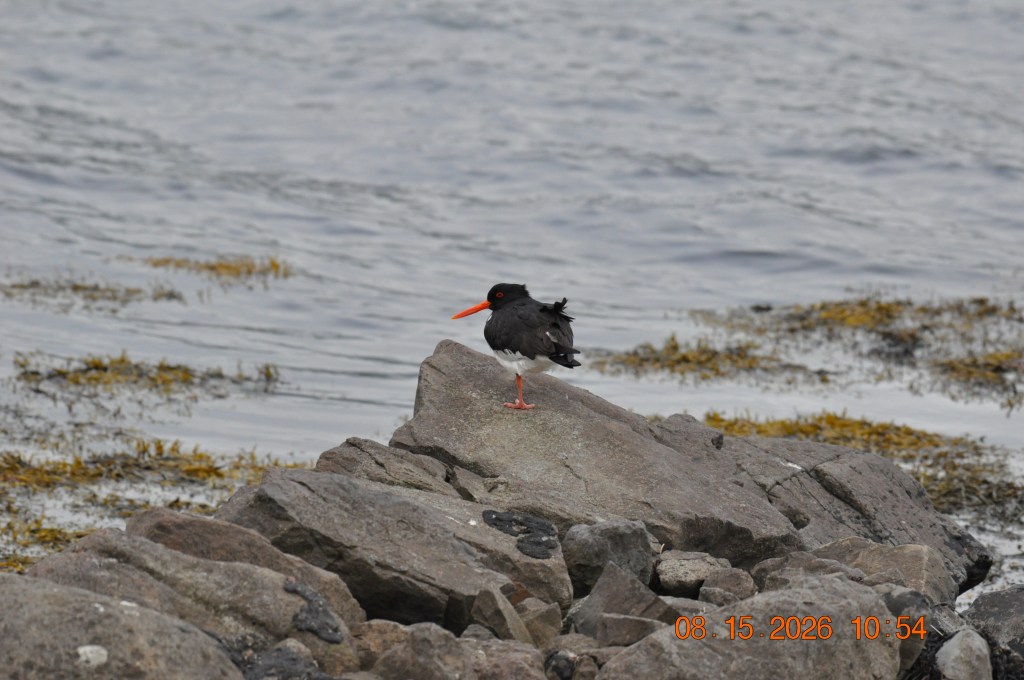
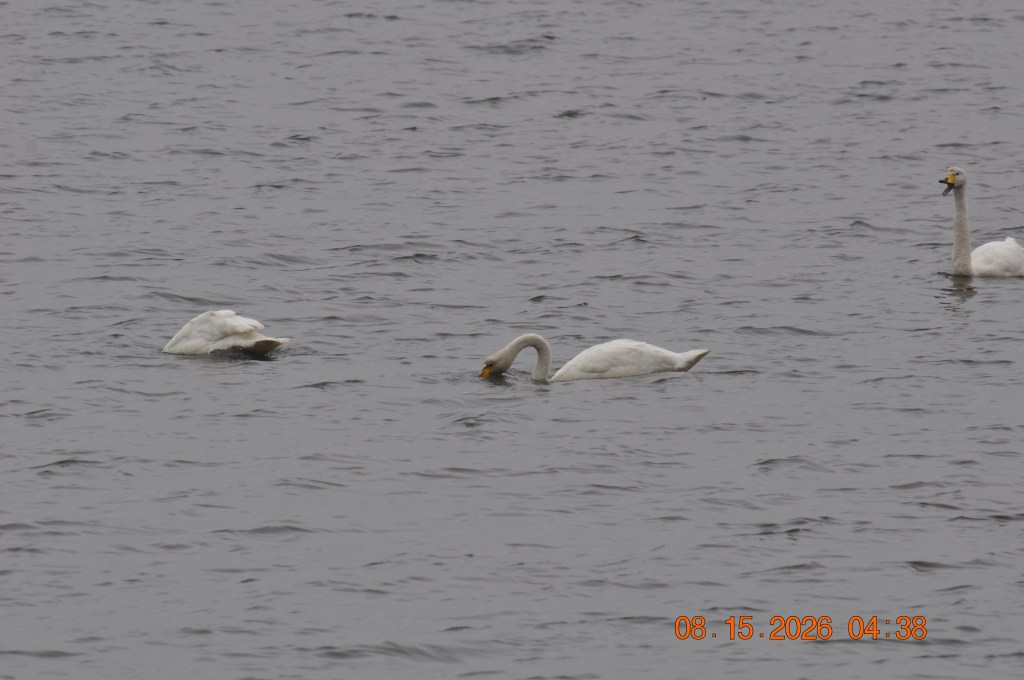
Finally, we saw the occasional seagull, oystercatcher, swan, and grey seal having spent so much time hugging the coast.
Appendix
In closing, I would feel remiss if I didn’t mention how egregiously expensive and money-sucking Iceland was. Price of goods were even more expensive than San Francisco. EVERY scenic spot had a parking fee of about $10 (this is easily the most heinous offense). If you neglected to pay, you would continue your journey blissfully ignorant to the fact that your rental car tracks exactly where you went but didn’t pay, and you end up needing to pay a doubled fine upon return (which is not warned about beforehand anywhere). Icelandair is also the only airline I have ever seen have no complimentary meal services for a 10+ hour flight. I will say, I would have appreciated Iceland much more if not for the egregiously excessive fees and stinginess that I earnestly claim to be a borderline scam. It is a shame that my testimony of this otherwise lovely country will now always include this tarnishing stain.
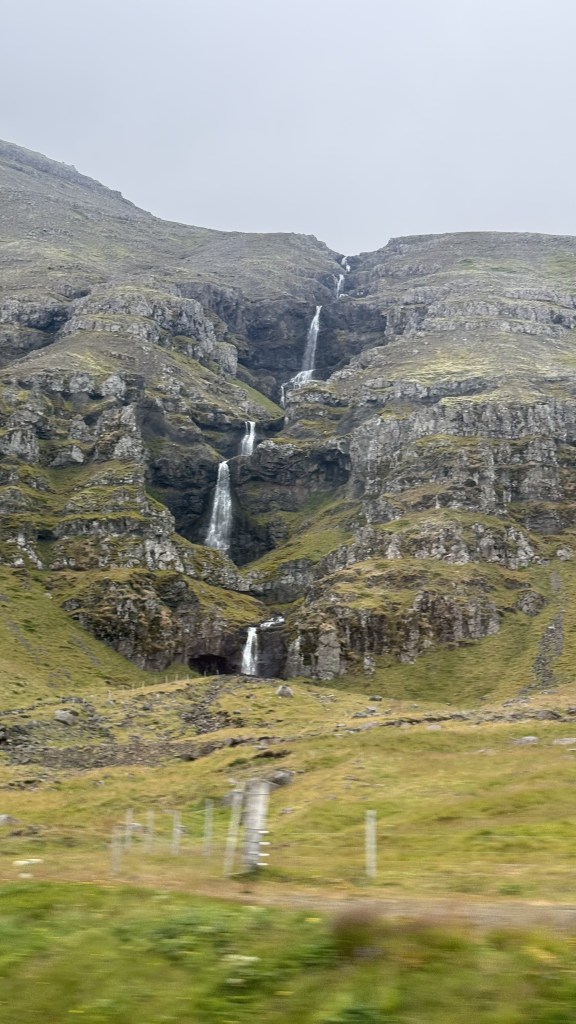
Anyways, here are some roadside highlights in closing.