Electronics for the Internet of Things

There unfortunately isn’t much I can say about this course on top of linking you to the project which I completed in the last month of this course. Full transparency, I did not attend lectures past the first week and attended only about 1 in 4 discussion sections. Truth is this course is easy by nature (40% of the class receives an A or an A+) and the fact that I had taken two legitimate introductory EE courses (16A and 16B) did not help with curbing my enthusiasm for this watered-down course. Retrospectively, I would have benefitted from perhaps talking to my counselor about having this particular course waived after having taken 16A and 16B, but I still got the chance to work on a neat little project that I might otherwise not have considered spending time on. In the end, something good came out of this repetitive course after all.
Regardless, I’ll quickly gloss over the course curriculum, indicating which topics I had learned previously and when, just to drive home how repetitive this course was particularly for me. The course began with an extremely broad overview of how electronic components such as sources, resistors, capacitors, and inductors worked (high school, Physics 7B, EE16A). I say extremely broad because, for example, we were taught capacitors without ever having touched the equation Q = CV, which in my opinion is insane. Next, the course covered circuit analysis using KCL, KVL, and Thevenin/Norton analysis techniques (high school, Physics 7B, EE16A). This section was taught rather well thanks to the patience and thoroughness of our GSI Max. Next, we learned Op Amps, transistors, phasors, filters, and transfer functions (EE16A, EE16B). Finally, we touched on Boolean Algebra and logic gates (high school, CS70). The last topic in the course was refreshingly novel to me and perhaps the only topic within the course I did not learn thoroughly beforehand: sequential logic circuits.
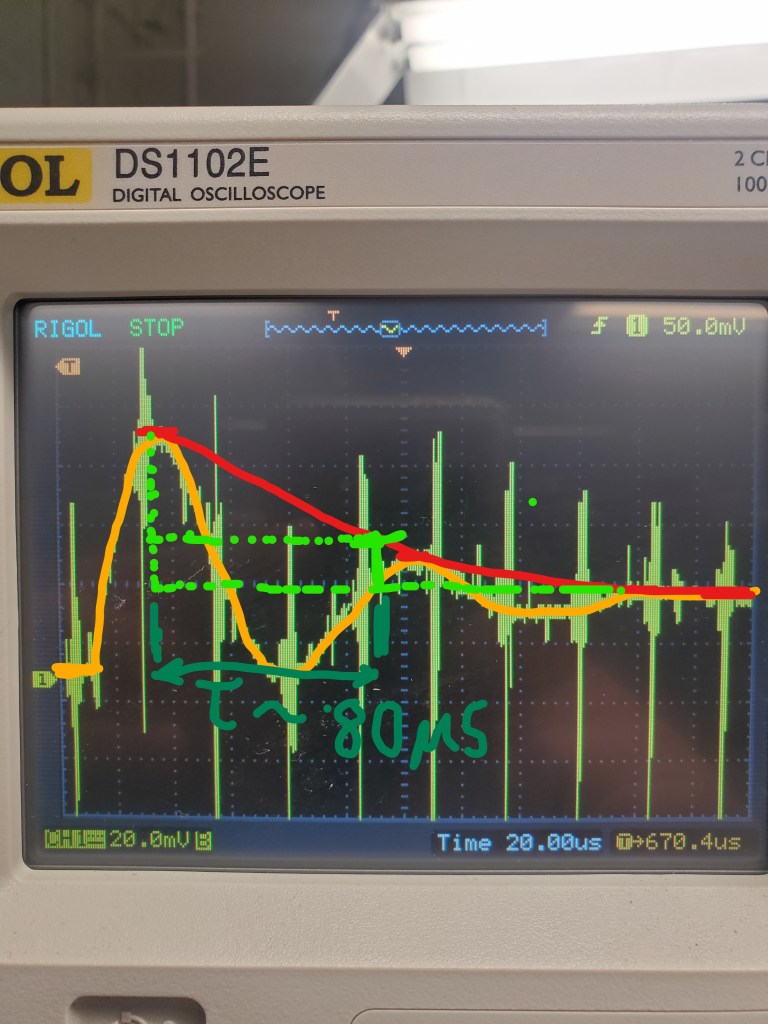
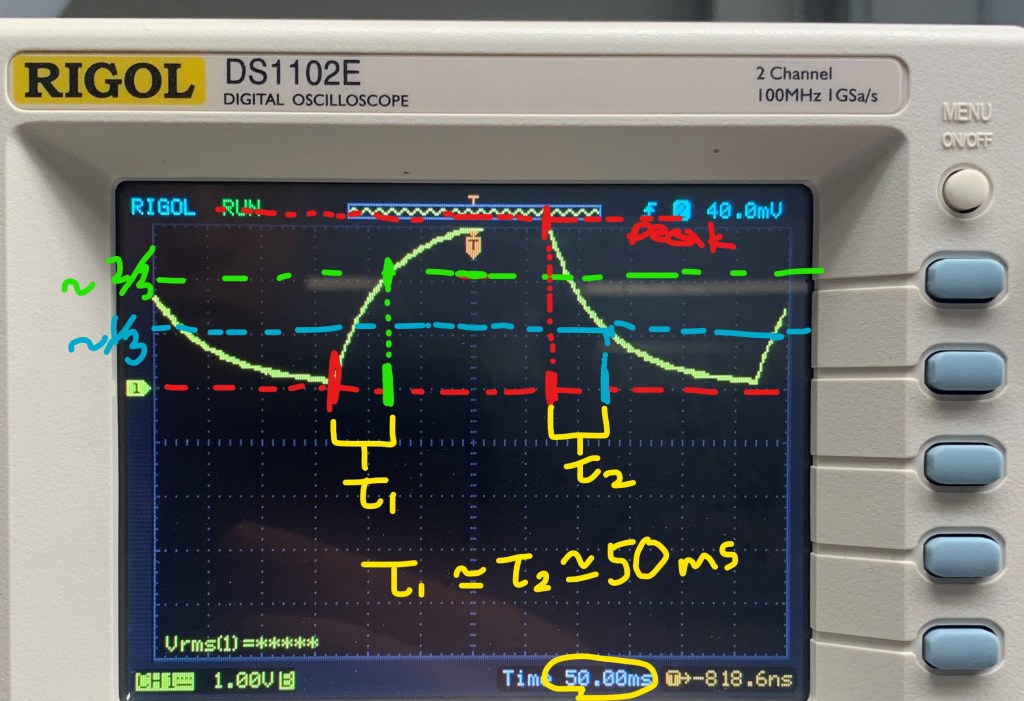
Labs were a large part of this course. Consistent with the lecture topics, there weren’t many new skills or topics to learn in lab. That said, lab was still the most useful component of this course. With hard skills such as proficiency with Python, circuit boards, sensors, and microcontrollers, practice makes perfect. Lab provided an opportunity to practice said skills for 2-3 hours a week. Typically, something cool or interesting was built in the process. Below is media from the various labs across the semester.
All in all, this class can be summed up as “chill”. Professor Anwar was a laid back, happy-go-lucky guy who occasionally taught curriculum but leaned towards stories and conversational lectures. Homeworks and exams were shorter, less frequent, and altogether easier than the typical Berkeley Engineering course. Curriculum was shallow and clearly designed to give Mechanical Engineers basic peripheral knowledge of Electrical Engineering, nothing too fancy. Then again, I only have this complaint because I have an almost equal level of interest in both ME and EE, so I know how deep the class could have gone. I have no doubt that the class was still solid and valuable to many taking it. Labs and practical skills were clearly the focus of the class, and I appreciate the extra hours of experience sharpening some of my IoT skills.
Food for Thought
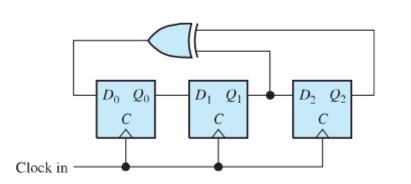
In the following finite-state machine, states are a 3-digit binary number (ex: 101, 001). There is one “steady-state”. In other words, once the machine reaches this state, it is stuck at this state forever. Which state is it?
Bonus: Is this state an “island” or a “dead end”. In other words, is it only possible to reach this state if you start at this state, or can other initial states lead to this state?
 seanlin.dev